
Wisdom Teeth Extraction Crestview FL: Gentle, Modern Care and What to Expect
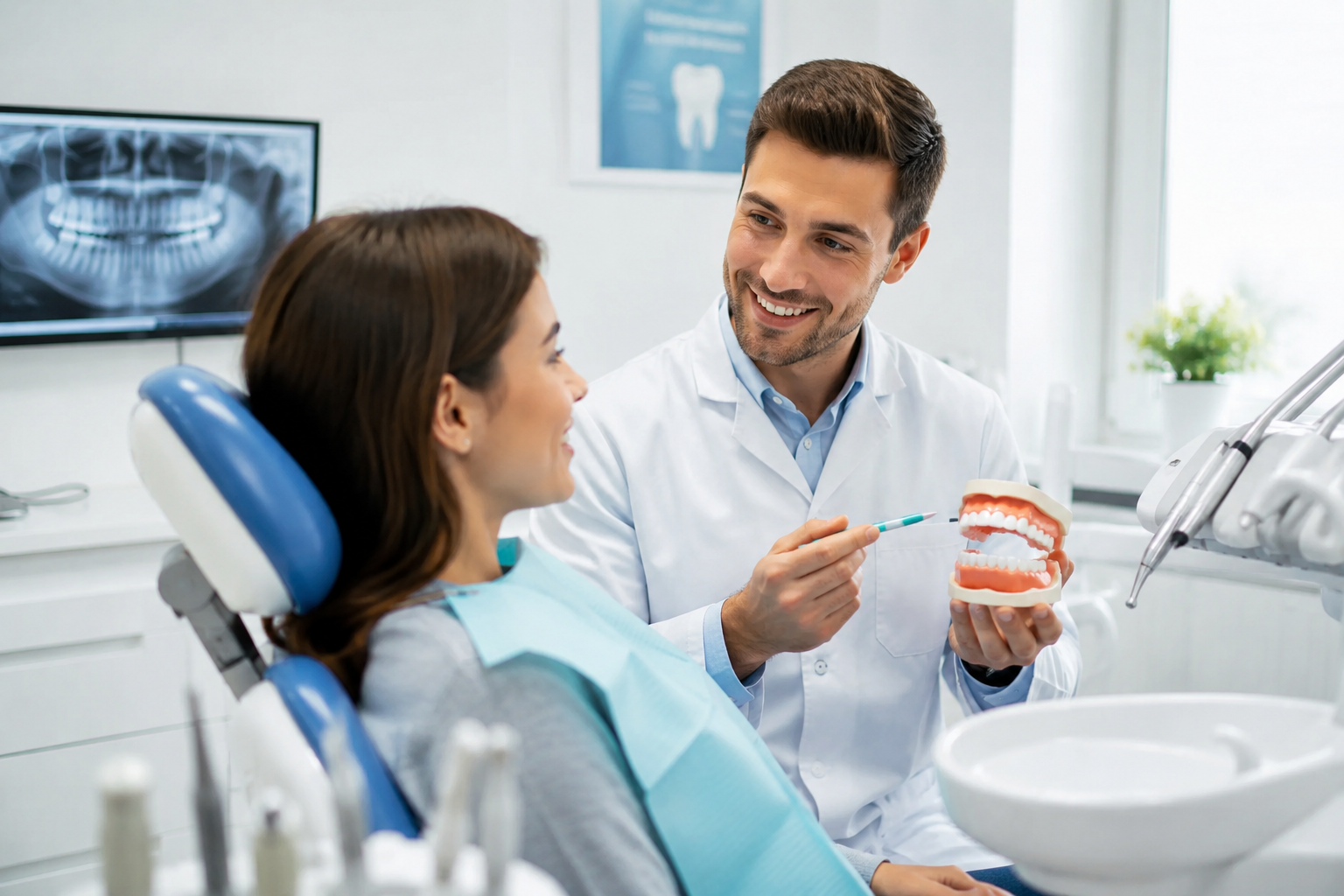
If wisdom teeth are causing pain, crowding, or repeating infections in Crestview, FL, a timely extraction can end discomfort and protect your long-term oral health. You can expect caring local dentists to guide you through diagnosis, modern sedation options, and a clear recovery plan tailored to your needs.
They will explain why wisdom teeth become problematic, how to spot warning signs, and what to expect during consultation and surgery. Trustworthy Crestview teams focus on comfort, personalized aftercare, and restoring your smile so you can get back to daily life with confidence.
Understanding Wisdom Teeth
Wisdom teeth can be helpful in some jaws but often cause crowding, pain, infection, or damage to nearby teeth. Knowing what they are, why problems occur, and when they appear helps patients in Crestview, FL decide about extraction and follow-up care.
What Are Wisdom Teeth?
Wisdom teeth, also called third molars, are the last permanent teeth to develop at the back corners of the mouth. Most adults have four—two in the upper jaw and two in the lower jaw—but some people have fewer or none.
They evolved to help with heavy chewing of coarse diets, though modern diets and smaller jaws mean they often lack room. Dentists evaluate size, position, and tooth angulation with X-rays to determine if a wisdom tooth will erupt normally or become impacted.
Common findings on X-rays include fully erupted teeth, partially erupted teeth with gum tissue covering part of the crown, and impacted teeth positioned horizontally or angled toward adjacent molars. Each pattern carries different risks and treatment options.
Why Do Wisdom Teeth Cause Problems?
Limited jaw space often forces wisdom teeth to erupt at odd angles, causing crowding or pressure against second molars. This pressure can cause pain, shifting of teeth, and increased risk of cavities in adjacent teeth.
Partially erupted wisdom teeth create a flap of gum tissue called an operculum that traps food and bacteria, leading to pericoronitis (gum infection). Fully impacted teeth may form cysts or damage the roots of neighboring teeth if left untreated.
Other problems include chronic bad breath, recurrent infections, and sinus issues when upper third molars press on sinus cavities. A dentist or oral surgeon assesses risk factors—age, tooth position, medical history—before recommending extraction or monitoring.
When Do Wisdom Teeth Usually Appear?
Wisdom teeth typically begin to form between ages 10 and 12 and may start to erupt between ages 17 and 25. Variation is common: some patients see eruption earlier or much later, while others never develop third molars.
Dental professionals monitor development with periodic panoramic X-rays during the late teens. Early evaluation around ages 16–20 helps identify impaction, crowding potential, or pathological changes so treatment can occur before complications escalate.
In Crestview, FL clinics, timing of extraction considers bone density (younger patients usually heal faster), proximity to the inferior alveolar nerve, and the patient’s overall health. These factors guide whether to extract proactively or adopt a watchful-waiting approach.
Signs You May Need Wisdom Tooth Removal
Pain, swelling, infection, and crowding around the back molars often indicate problematic wisdom teeth. X-rays and a dentist’s exam confirm whether removal will relieve symptoms or prevent future complications.
Common Symptoms to Watch For
Persistent pain behind the second molars, especially sharp or throbbing discomfort that worsens when biting or chewing, commonly signals an impacted or infected wisdom tooth. Pain that radiates to the ear or jaw often accompanies this and may disrupt sleep or daily activities.
Swollen, tender gums at the rear of the mouth that bleed during brushing or flossing suggest pericoronitis (gum infection) around a partially erupted tooth. Bad breath or a bad taste that doesn’t improve with brushing can indicate trapped food and bacterial growth.
Frequent cavities on the wisdom tooth or the adjacent second molar appear when cleaning is difficult due to position. Difficulty opening the mouth fully (trismus) or recurring cysts on dental X-rays also point toward the need for extraction.
Risks of Delaying Treatment
Delaying removal increases the chance of persistent infection that can spread to surrounding tissues, causing worsening pain and swelling. Recurrent infections may require antibiotics and make later surgery more complicated.
Impacted teeth left in place can damage adjacent second molars, causing decay or root resorption that may require fillings, root canals, or extractions. Crowding from late-erupting wisdom teeth can undo orthodontic work, shifting teeth and altering bite alignment.
Longer delays raise the risk of cysts or tumors forming around the tooth, which can destroy bone and require more extensive surgery. Older patients often face slower healing and higher complication rates, so timely evaluation reduces overall risk and simplifies treatment planning.
Preparing for Your Procedure
Patients will learn what happens at the consultation, the anesthesia choices available, and the concrete steps to take the day before surgery to ensure safety and comfort. Practical tips cover medical history, fasting, transportation, and what to bring.
What to Expect During Your Consultation
During the consultation, the dentist or oral surgeon reviews medical history, current medications, and any past reactions to anesthesia. They perform a clinical exam and take panoramic X-rays or CBCT scans to evaluate tooth position and nerve proximity.
The clinician explains if teeth are impacted, the likely complexity of extraction, and estimated procedure time. Patients receive a written treatment plan that lists risks, benefits, and postoperative expectations such as swelling, bleeding, and pain control.
Insurance coverage, costs, and potential need for prescription antibiotics are discussed. The team confirms fasting instructions, transportation arrangements, and any forms to sign. Patients should bring a list of medications and contact information for their primary care provider.
Discussing Anesthesia and Sedation Options
Dentists review local anesthesia, nitrous oxide (laughing gas), oral sedation, and IV sedation based on patient anxiety, medical history, and extraction complexity. Local anesthesia numbs the area; patients stay awake and alert with minimal memory of the procedure.
Nitrous oxide reduces anxiety and wears off quickly; it’s suitable for cooperative patients. Oral sedatives (pill taken before arrival) produce drowsiness but may not eliminate awareness. IV sedation provides deeper relaxation and often produces little to no memory of the event; it requires monitoring and trained staff.
The clinician discusses risks such as nausea, allergic reactions, and breathing issues, and explains monitoring (blood pressure, oxygen levels). Patients must disclose alcohol, recreational drug use, and sleep apnea. The team sets clear instructions about fasting and having a responsible adult accompany the patient.
How to Get Ready the Day Before Surgery
Confirm transportation and a responsible adult to stay with the patient for 24 hours after IV or oral sedation. Pack a small bag with photo ID, insurance card, list of medications, and comfortable clothing with short sleeves for IV access.
Follow fasting instructions exactly: typically no solid food 6–8 hours and no clear liquids 2 hours before sedation, unless the clinician specifies otherwise. Stop blood-thinning medications only if the prescribing physician and surgeon approve; do not discontinue without medical guidance.
Prepare soft foods like applesauce, yogurt, and broth, and have cold packs ready for swelling control. Charge your phone and arrange any post-op work or childcare. If the patient develops a cold, fever, or new medication change, call the clinic immediately to reschedule or get tailored instructions.
What Happens During the Extraction
The procedure typically follows predictable steps and uses specific techniques to manage pain and protect surrounding teeth and tissue. Patients can expect local or sedation anesthesia, minimally invasive tooth removal, and clear post-op instructions for comfort and healing.
A Step-by-Step Overview
The dentist reviews X-rays and confirms anesthesia — usually local for simple removals or IV/oral sedation for impacted or anxious patients. They numb the area fully before any pressure or cutting begins.
If the tooth is fully erupted, the dentist loosens it with an elevator and extracts it with forceps. For impacted teeth, a small incision in the gum and sometimes removal of bone are performed to access the tooth. The tooth may be sectioned (cut into pieces) for safer removal.
After extraction, the dentist cleans the socket and may place dissolvable stitches to close the gum. They pack gauze to help form a blood clot and provide written aftercare: bite on gauze, avoid rinsing for 24 hours, take prescribed pain relievers or antibiotics if indicated, and use ice to limit swelling.
Techniques Used by Crestview FL Dentists
Crestview practitioners commonly use a mix of conservative and modern approaches tailored to the patient’s anatomy and comfort level. Local anesthesia with articaine or lidocaine is standard; sedation options include nitrous oxide, oral sedatives, or IV sedation for longer or more complex cases.
Minimally invasive techniques include flapless extractions when possible, piezosurgery or rotary instruments to remove small amounts of bone, and tooth sectioning to reduce trauma. These methods lower post-op pain and speed healing.
Dentists also emphasize infection control and prevention of dry socket: they administer antibiotics selectively, provide chlorhexidine rinses when needed, and instruct on diet and oral hygiene. Patients receive follow-up scheduling and clear signs to watch for, such as prolonged bleeding, fever, or severe pain, to ensure prompt care.
Personalized Recovery Tips
Recovery after wisdom teeth removal centers on comfort, reducing swelling, and knowing when to seek help. Clear, specific steps make healing smoother and lower the chance of complications.
Immediate Aftercare for Comfort
They should keep the gauze in place for 30–45 minutes and then change it as needed until bleeding slows to a light ooze. If bleeding persists beyond a couple of hours, replace gauze and apply steady pressure while sitting upright; avoid spitting or rinsing vigorously.
Cold packs applied to the cheek for 15 minutes on, 15 minutes off during the first 24 hours reduce bruising and numbness. Rest is essential; they should avoid heavy lifting, bending, and exercise for at least 48–72 hours. Use prescribed pain medication exactly as directed; if given ibuprofen and acetaminophen, alternating doses can control pain with lower opioid use if applicable.
Eat soft, cool foods like Greek yogurt, applesauce, and mashed potatoes for the first 48 hours. They should stay hydrated but avoid drinking through straws for 7–10 days to prevent dislodging the clot.
Managing Swelling and Pain
Swelling typically peaks 48–72 hours after extraction; they can expect the area to feel firm and look puffy during this window. Continue intermittent cold therapy the first day, then switch to warm compresses after 48 hours to promote circulation and reduce stiffness.
Follow the pain medication schedule rather than waiting for severe pain to return; this keeps discomfort more manageable. If antibiotics were prescribed for infection risk, complete the full course even if they feel better after a day or two.
Oral hygiene should start gently 24 hours after surgery with a saltwater rinse (½ teaspoon salt in 8 oz warm water) after meals to reduce bacteria. Brush teeth carefully, avoiding the extraction sites, and resume normal brushing after a week or when their dentist advises.
When to Contact Your Dentist
They must call the dental office immediately for uncontrolled bleeding (soaking through a gauze pad every 30–45 minutes), severe swelling that worsens after 72 hours, or a fever above 101°F (38.3°C). These signs can indicate infection, dry socket, or other complications requiring prompt attention.
Urgent contact is also necessary for increasing, severe pain not relieved by prescribed medication or for numbness that persists beyond 48–72 hours. If they notice a bad taste or persistent foul odor despite rinsing, report it—this can signal an infection.
Keep the clinic’s post-op phone number accessible and follow up for any scheduled post-op visits. They should not hesitate to call with questions about medications, activity restrictions, or wound care.
Long-Term Benefits of Timely Removal
When wisdom teeth are removed at the right time, patients often avoid painful infections and recurrent swelling. Early removal reduces the risk of pericoronitis and other soft-tissue problems that can become chronic.
Removing impacted or misaligned wisdom teeth protects adjacent teeth from damage. It lowers the chance of root resorption, cavity formation between molars, and painful crowding that might otherwise require orthodontic retreatment.
Timely extraction makes surgery simpler and recovery faster for many people. Younger patients typically heal more quickly and with fewer complications, which means less time off work or school.
Proactively addressing potential problems can save money and stress over the long term. Treating acute infections or complex complications later often requires more intensive procedures and higher costs.
Dental professionals in Crestview, FL emphasize comfort and modern anesthesia options during removal. Sedation choices and local anesthetics help keep the experience manageable, and postoperative care protocols focus on reducing pain and swelling.
Patients who choose timely removal also benefit from clearer preventive guidance. Follow-up care and instructions help maintain oral hygiene and monitor healing, lowering the chance of future issues.
If questions arise about timing, risks, or sedation, patients are encouraged to consult their dental provider in Crestview. A focused evaluation helps determine the best plan for long-term oral health.
Choosing the Right Dental Team in Crestview FL
Selecting a dental team affects pain management, recovery time, and overall experience. Look for clear communication, modern equipment, and staff who explain options and costs plainly.
What Sets Local Practices Apart
Crestview practices differ by specialist availability and office setup. Oral surgeons typically handle impacted wisdom teeth and IV sedation, while general dentists often perform extractions that are straightforward. Confirm whether the clinic has on-site surgical suites, digital X‑rays, and cone beam CT scans for precise planning.
Staff experience matters. Check how many extractions the surgeon has performed, their residency training, and board certifications. Read patient reviews for consistent notes about gentle technique, attentive post-op care, and honest estimates of recovery time.
Insurance and financing vary by office. Some in Crestview accept major plans and Medicaid; others offer payment plans or in‑house financing. Ask about bundled surgical fees versus separate anesthesia and facility charges so there are no surprises.
Questions to Ask Your Provider
Ask specifically about the provider’s experience with impacted third molars and the expected difficulty level of your case. Request to see before-and-after photos or case summaries for similar patients.
Clarify anesthesia options and who administers them. Confirm whether the surgeon is ACLS/BLS certified, whether anesthesia is given by the surgeon or an anesthesiologist, and what monitoring equipment they use.
Discuss pain control and recovery protocols. Ask for an outline of expected pain timeline, medications prescribed, activity restrictions, and follow-up visits. Request written pre-op and post-op instructions.
Verify logistics: appointment availability, emergency contact procedures, estimated total cost, and insurance billing practices. Request a clear estimate in writing and ask whether sedation appointments require a driver or fasting.
Restoring Comfort and Confidence After Surgery
Patients usually feel some swelling and mild discomfort for a few days after extraction, and simple steps speed recovery. Following the surgeon’s aftercare plan—cold packs, short walks, and soft foods—reduces swelling and helps tissue heal.
Pain control often uses a short course of prescribed or over-the-counter medication. They should take medicines exactly as directed and avoid aspirin if the surgeon advised against it.
Oral hygiene matters, but it changes briefly after surgery. Gentle rinsing with salt water after 24 hours and careful brushing around the site keeps the mouth clean without disturbing healing tissue.
Dietary adjustments support comfort and nutrition. Soft, cool foods like yogurt, smoothies, and mashed vegetables provide calories and vitamins while minimizing chewing strain.
Emotional recovery matters as much as physical healing. Patients often worry about appearance or lingering soreness; reassurance from the dental team and scheduled follow-ups restore confidence.
Practical checklist for the first week:
- Rest and limit strenuous activity for 48–72 hours.
- Use ice for the first 24 hours, then heat if advised.
- Eat soft, nutritious foods and stay hydrated.
- Avoid smoking, straws, and heavy mouth rinsing initially.
- Attend the follow-up appointment and report persistent pain or fever.
If problems arise—such as increasing pain, heavy bleeding, or signs of infection—contact the dental office promptly. They will guide next steps and, if needed, arrange care to ensure safe, comfortable recovery and a return to normal routines.
Encouragement for Your Next Steps
Patients in Crestview can feel confident scheduling a consultation when wisdom teeth cause pain, crowding, or recurrent infection. The clinic staff explains options clearly and tailors treatment to each person’s needs.
They should prepare a short list of symptoms and medical history to bring to the appointment. Doing this speeds diagnosis and helps the dentist recommend the least invasive, safest approach.
Consider bringing a trusted friend or family member to the visit for support and post-op planning. Many practices offer sedation choices and clear aftercare instructions to keep recovery comfortable.
If cost or timing is a concern, patients can ask about payment plans, insurance coordination, or flexible scheduling. Modern clinics aim to remove barriers so care happens when it’s needed.
Common questions include recovery length, pain control, and eating plans; staff welcome these questions and provide step-by-step guidance. Patients who act sooner often avoid worsening problems and more complex procedures later.
Call the Crestview dental office or use the online booking tool to set an appointment, ask specific questions, or request a pre-visit checklist. They will respond with next steps and help arrange a visit that fits the patient’s schedule and comfort needs.
Frequently Asked Questions
This section answers practical concerns about costs, signs for extraction, what to expect during the visit, recovery timelines and preventing dry socket, effects on jaw or TMJ, and timing for orthodontic treatment. It gives specific cost ranges, common symptoms, day-of-operation details, recovery steps, and clear guidance about follow-up care.
How much does wisdom teeth removal typically cost, and what factors can change the price?
Typical office-based extraction for an uncomplicated wisdom tooth ranges from $150 to $350 per tooth. Surgical extractions or impacted teeth done by an oral surgeon often range $300 to $800 per tooth, with full-mouth cases commonly quoted $1,200–$3,000.
Insurance can cover part or all of the cost depending on the plan and whether the provider is in-network. Additional costs include imaging (panoramic X-ray $80–$200), sedation (nitrous oxide or oral sedation $50–$300; IV sedation $300–$1,000), and prescriptions for antibiotics or pain medicine.
Patient-specific factors change price: degree of impaction, tooth position, patient medical history, need for bone removal, and whether an oral surgeon or general dentist performs the procedure. Geographic location and clinic pricing also affect final cost.
What are the most common signs that it’s time to have your wisdom teeth removed?
Persistent pain in the back of the mouth, swelling, or recurring infections around the wisdom tooth frequently indicate removal. Pain that radiates to the ear or jaw and recurring bad breath or a bad taste from an inflamed gum flap (pericoronitis) are common red flags.
Crowding or pressure that shifts adjacent teeth, cyst formation on X-ray, or damage to nearby teeth suggests extraction even without severe pain. Dentists also recommend extraction when wisdom teeth are impacted and likely to cause future problems.
What can I expect on the day of my extraction, and how is pain kept under control?
Patients arrive for a consultation and imaging, then receive local anesthesia to numb the area; many also choose nitrous oxide, oral sedatives, or IV sedation for comfort. The procedure length varies: single simple extractions can take 10–30 minutes; surgical removals with impaction may take 30–90 minutes.
Pain is controlled with local anesthetic during the procedure and prescription or over-the-counter analgesics afterward. Providers give clear post-op instructions, typically prescribing short courses of ibuprofen or acetaminophen, and sometimes stronger opioids for severe pain, though those are less common now.
How long does recovery usually take, and what can I do to heal comfortably and avoid dry socket?
Initial healing usually takes 3–7 days for comfort to return and 2–4 weeks for soft-tissue recovery; full bone remodeling can take months. Expect swelling and bruising peaking at 48–72 hours and gradually improving.
To avoid dry socket, avoid smoking for at least 72 hours, don’t use straws, avoid vigorous rinsing the first 24 hours, and follow gentle salt-water rinses starting 24 hours after surgery. Follow all activity restrictions, keep the extraction site clean, and contact the provider for increasing pain, fever, or pus.
Can removing wisdom teeth help with jaw pain or TMJ symptoms, and when should I get evaluated?
Removing problematic wisdom teeth can reduce local inflammation and infection that contribute to jaw soreness, but it does not reliably cure long-standing TMJ disorders. If jaw pain or clicking predates tooth problems, extraction alone may not resolve TMJ symptoms.
Get evaluated when jaw pain is persistent, limits chewing, causes locking, or is associated with ear pain or headaches. A dentist or oral surgeon will assess bite, joint function, and imaging to determine if extraction, conservative TMJ care, or referral to a specialist is appropriate.
When is it safe to start braces or other orthodontic treatment after wisdom teeth removal?
Orthodontists often wait until the extraction site has at least initial soft-tissue healing, typically 1–3 weeks, before placing bands or starting active tooth movement. For complex cases or if bone healing is a concern, providers may delay 6–8 weeks to reduce risk of complications.
Discuss timing with both the oral surgeon and orthodontist so treatment schedules align. They will coordinate based on healing progress, patient comfort, and the planned orthodontic mechanics.
If the reader has specific symptoms, insurance questions, or scheduling needs, encourage contacting the dental office to arrange an evaluation or ask about sedation options.