
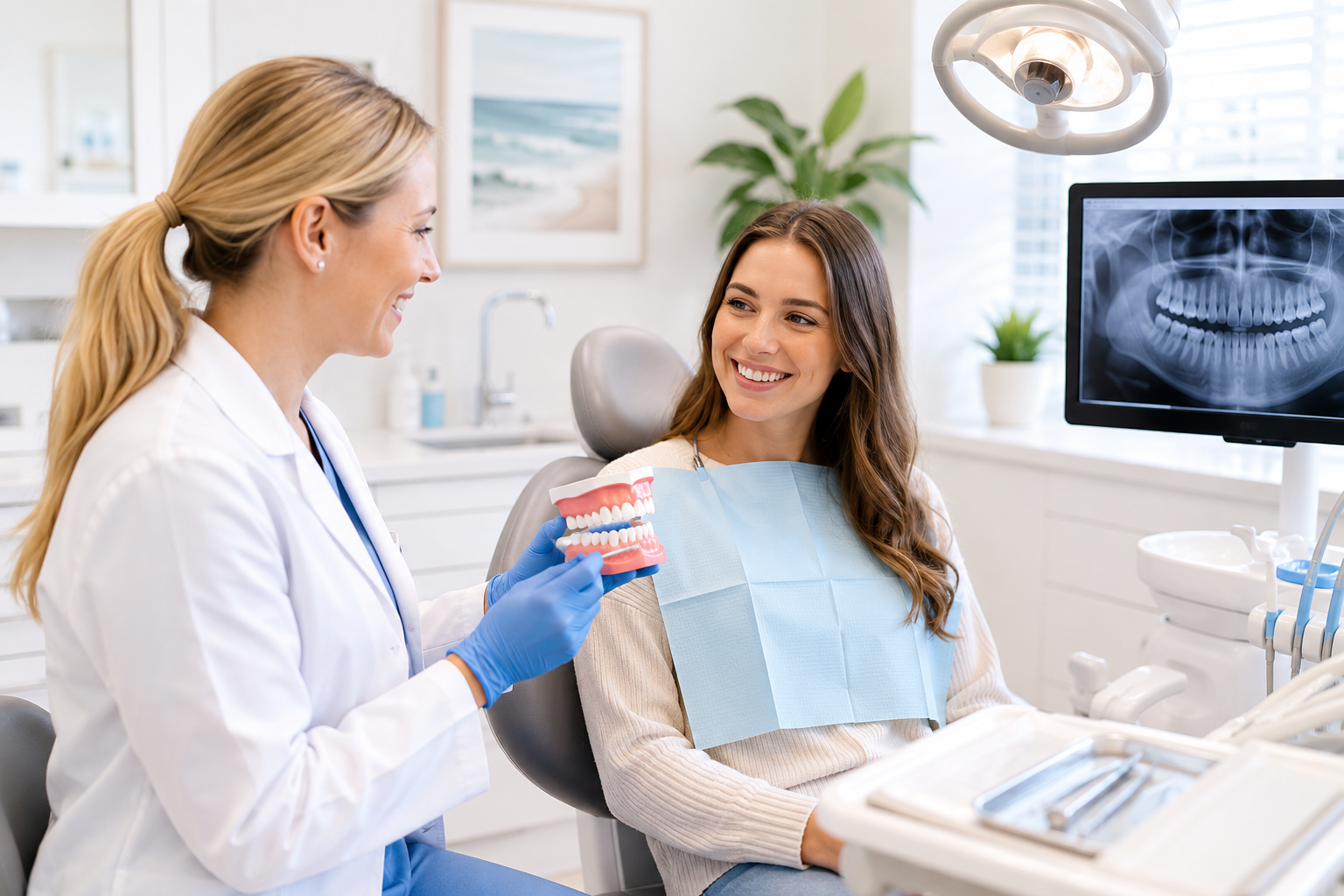
Family Dentist Crestview FL — Compassionate Care, Modern Dentistry, and Preventive Solutions
You’re looking for a family dentist in Crestview, FL who understands every stage of your family’s dental needs and makes visits comfortable and clear. A trusted local family dentist offers preventive care, pediatric and adult treatments, and patient-focused comfort to keep every smile healthy.
They explain services in plain terms, help you navigate insurance and payment options, and provide modern treatments that fit busy family schedules. Expect tips for at-home care, guidance on choosing the right dentist, and practical next steps to book an appointment or ask questions.
Your Family’s Dental Care Journey
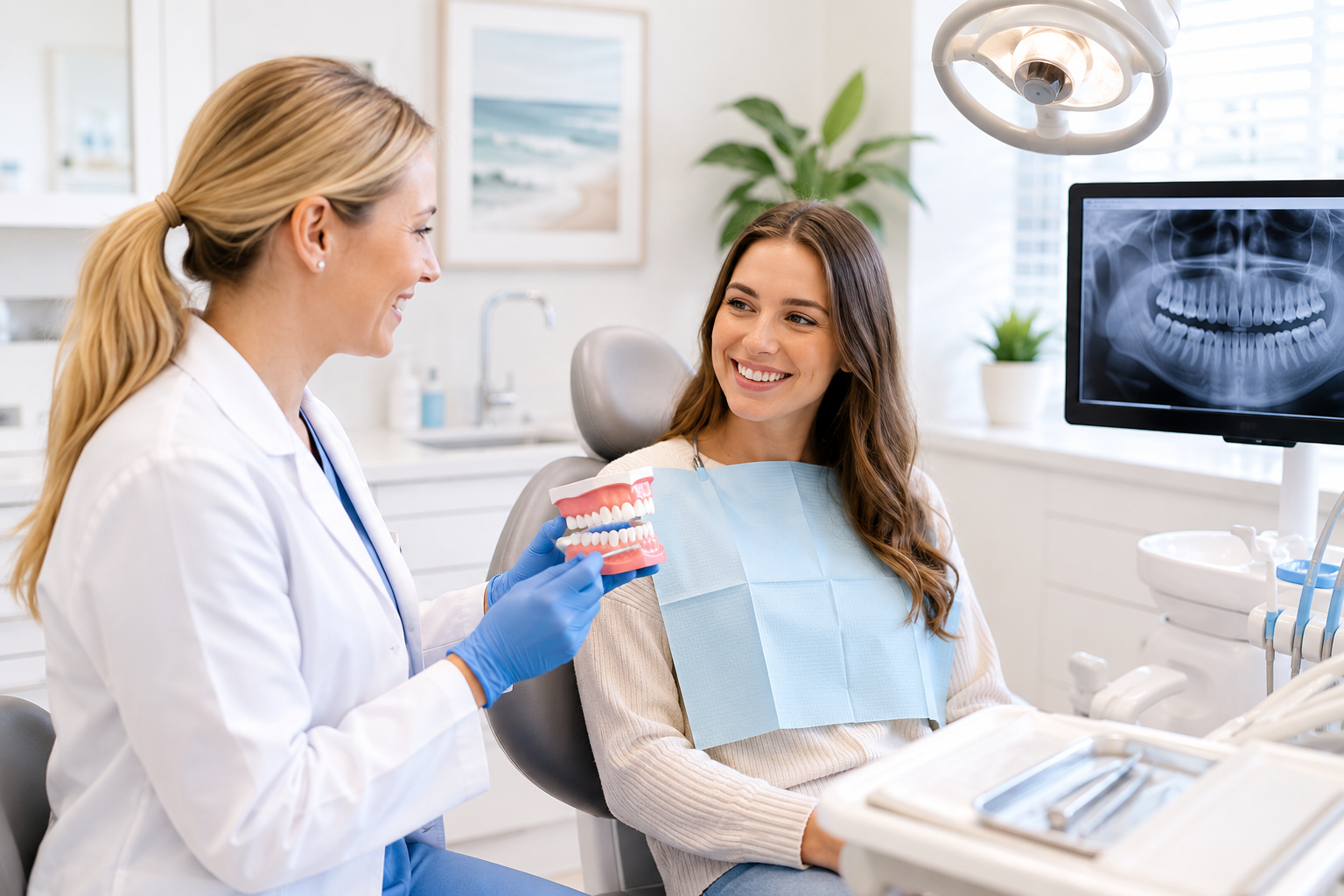
A clear plan, gentle communication, and preventive focus guide families through routine visits, treatments, and at-home care. Practical steps—age-appropriate exams, fluoride or sealant decisions, scheduling strategies—help keep smiles healthy and reduce emergency care.
What Sets Family Dentistry Apart
Family dentistry covers routine prevention and a wide range of treatments for children, adults, and seniors in one practice. A family dentist performs age-tailored cleanings, pediatric exams with fluoride and sealant recommendations, restorative work like composite fillings for teens, and denture or implant maintenance for older adults.
They coordinate care so records and treatment plans remain consistent across visits. That continuity reduces duplicated X-rays, supports phased treatment (for example, orthodontic referrals timed after growth assessments), and helps detect long-term trends such as gum recession or bruxism.
Practical benefits include consolidated scheduling for siblings, insurance coordination for family plans, and a single familiar team that eases anxiety for nervous patients. The focus remains prevention-first: routine exams, digital X-rays when needed, and individual home-care coaching.
How Dentists Build Lasting Patient Relationships
Dentists establish trust through clear communication, predictable processes, and genuine rapport over repeated visits. They start by reviewing medical history and prior dental experiences, then set realistic treatment goals and timelines.
During appointments, clinicians explain findings with intraoral photos and simple diagrams so families understand why a filling, sealant, or periodontal deep cleaning is recommended. They offer sedation options, comfort measures, and stepwise treatment plans for anxious or special-needs patients.
Follow-up includes hygiene reminders, progress notes in the chart, and care instructions customized to age and condition. Patient portals or texts streamline appointment reminders and post-op check-ins, which strengthens adherence and reduces missed visits.
Personalized Care for Every Age
Care adapts to growth stages: infants get lip and tongue tie screening and guidance on bottle and pacifier use; toddlers receive early cavity prevention and home-fluoride guidance; school-age children get sealants and orthodontic evaluations.
Adolescents benefit from sports-guard fittings, cosmetic choices like tooth-colored restorations, and education on whitening myths. Adults receive periodontal risk assessments, restorative options (crowns, onlays), and cosmetic treatments when desired. Seniors focus on dry mouth management, regular checks of restorations, and maintenance of implants or dentures.
Dentists tailor preventive plans: frequency of cleanings, targeted home-care tips, dietary counseling, and topical treatments such as fluoride varnish or prescription rinses. This individualized approach keeps care relevant and minimizes invasive procedures over time.
Essential Services for All Ages
A family dentist in Crestview, FL provides routine prevention, child-focused care, and adult restorations that keep mouths healthy across decades. The practice emphasizes comfort, modern techniques, and clear communication so every family member receives age-appropriate treatment.
Preventive Checkups and Cleanings
Routine checkups usually occur every six months and include a dental exam, professional cleaning, and oral cancer screening. Hygienists remove plaque and tartar with ultrasonic scalers and hand instruments, then polish teeth and apply fluoride when indicated to strengthen enamel.
Digital X-rays and intraoral photos let the dentist spot cavities, bone loss, and early gum disease before symptoms appear. They also review diet, brushing and flossing technique, and recommend sealants for teenagers or patients with deep grooves in molars.
Preventive care extends to periodontal maintenance for patients with past gum disease, with more frequent cleanings and charting of pocket depths. The clinic creates personalized recall schedules and reminder systems so patients stay on track.
Gentle Pediatric Dentistry
Pediatric visits focus on making children comfortable and building positive dental habits early. Staff use child-sized instruments, tell-show-do explanations, and behavior guidance to reduce anxiety during exams and cleanings.
Dentists assess eruption patterns, bite development, and thumb-sucking or pacifier effects. They apply dental sealants on molars to prevent decay and recommend topical fluoride or at-home fluoride regimens when risk is elevated.
When treatment is needed, the office offers minimally invasive options like silver diamine fluoride to halt cavities and tooth-colored fillings for aesthetics. Parents receive clear instructions on oral hygiene, nutrition, and when to schedule orthodontic screenings.
Restorative Options for Adults
Adults receive a range of restorations tailored to function and appearance, including composite fillings, crowns, bridges, and implant-supported crowns. Crowns use ceramic or porcelain-fused-to-metal materials chosen for strength and shade-match to neighboring teeth.
For missing teeth, dental implants provide long-term support by replacing root and crown; the clinic coordinates implant placement with trusted oral surgeons and handles the restorative crown. Bridges and removable partial dentures remain options when implants aren’t suitable.
Root canal therapy conserves teeth with infected pulps, followed by crown placement to restore strength. The dentist discusses costs, insurance coverage, expected lifespan of restorations, and maintenance steps to help patients make informed decisions.
Comfort-First Approach to Patient Visits
The practice prioritizes gentle care, clear communication, and up-to-date tools to reduce pain and stress during appointments. Patients find shorter wait times, customizable sedation options, and staff trained in calming techniques.
Anxiety-Free Dental Experiences
They begin with a pre-visit phone call to review medical history, current medications, and specific fears so the first appointment feels predictable. The front desk offers quiet waiting areas and flexible scheduling to avoid crowded rooms and long waits.
During treatment, staff use plain language to explain each step and ask for permission before starting. That verbal cueing helps patients feel in control and reduces surprise. For those who need extra support, clinicians provide nitrous oxide, oral sedation, or IV sedation, based on a medically reviewed plan.
They also use behavioral strategies: guided breathing, short breaks during procedures, and distraction tools such as headphones with music or video glasses. Pediatric visits follow tell-show-do methods and positive reinforcement to build long-term trust.
Modern Technology for Painless Treatments
The office employs digital impressions and intraoral scanners to avoid messy putty and shorten appointment time. Scans produce precise 3D models that improve crown and appliance fit, reducing repeat visits.
For restorations, they use cordless, warmed composite materials that cure faster and bond reliably, which minimizes chair time and postoperative sensitivity. Laser dentistry addresses soft-tissue issues with less bleeding and faster healing compared with traditional scalpels.
Local anesthesia delivery uses computer-controlled systems that slowly and evenly inject anesthetic to lower injection pain. For imaging, low-dose cone beam CT and digital X-rays provide detailed views with minimal radiation, enabling accurate diagnoses and targeted treatments.
Caring for Smiles Beyond the Office
Regular at-home care and strong family habits keep teeth healthy between appointments. Small daily choices—brushing technique, snack timing, and mouthguard use—have big effects on cavities, gum health, and tooth wear.
At-Home Dental Wellness Tips
They should brush twice daily with a soft-bristled brush and fluoride toothpaste, using gentle circular motions for two minutes. Replace the brush every three months or after illness to maintain cleaning effectiveness.
Floss once a day, sliding between teeth and along the gumline to remove plaque where brushes miss. If traditional floss is difficult, interdental picks or a water flosser work well for many patients.
Rinse with a fluoride mouthwash if recommended by the dentist to strengthen enamel and reduce decay risk. Avoid swishing immediately after brushing so fluoride can stay on the teeth.
Limit sugary and acidic snacks; encourage whole fruits, raw vegetables, cheese, and water between meals. For patients who grind teeth, wear a custom nightguard to prevent wear and headaches. Store toothbrushes upright and let them air-dry to reduce bacterial growth.
Building Healthy Habits for Kids
Parents should start cleaning infant gums with a soft cloth and progress to a small, soft toothbrush once the first tooth appears. Use a rice-sized smear of fluoride toothpaste for children under three, and a pea-sized amount from ages three to six.
Make brushing a two-minute routine using a timer, song, or an app to keep it consistent and fun. Supervise and assist brushing until a child reliably demonstrates proper technique, usually around age seven or eight.
Limit juice and sticky snacks; offer water after meals and encourage teeth-friendly snacks like yogurt and celery. Schedule first dental visits by the child’s first birthday and maintain six-month checkups for early detection and preventive care.
Praise and positive routines work better than fear. If a child resists, the dental team can provide behavior tips, desensitization visits, or child-friendly fluoride treatments to build comfort and cooperation.
Choosing the Right Dentist in Crestview
Crestview residents often prioritize comfort, clear communication, and modern care when selecting a family dentist. Practical factors like office hours, accepted insurance, and experience treating children and seniors shape a good match.
Qualities of a Great Local Dentist
A great Crestview dentist combines clinical skill with patient-centered service. Look for a dentist licensed in Florida with continuing education in pediatric dentistry, restorative care, and sedation techniques. Specifics matter: ask about years treating children, frequency of performing crowns and root canals, and use of digital X-rays and intraoral cameras.
Office logistics influence day-to-day satisfaction. Confirm weekday and early-evening hours, weekend availability, and emergency walk-in policies. Verify accepted insurance plans, in-house financing, and whether they offer care coordination for specialists like oral surgeons or orthodontists.
Patient comfort practices reduce anxiety. Check if the practice offers nitrous oxide, quiet rooms, headphones, or child-friendly waiting areas. Reviews and direct questions about appointment length, pain management, and follow-up procedures reveal how they treat families.
Community Connections and Testimonials
Local reputation shows how a dentist serves Crestview families over time. Read recent Google and Facebook reviews, focusing on comments about pediatric visits, senior care, and treatment transparency. Note recurring praise or complaints about wait times, billing clarity, and staff friendliness.
Community involvement signals commitment. Sponsorship of local sports teams, school dental screenings, or health fairs indicates sustained engagement. Ask whether the dentist partners with Crestview pediatricians or long-term care facilities for coordinated care.
Seek testimonials that include specifics: the patient’s age, procedure type, and timeline for results. Those details help assess real-world outcomes and expected recovery. When possible, request before-and-after photos and ask the office for references from families with similar needs.
Navigating Insurance and Payment Options
Patients often ask which plans a Crestview family dentist accepts. Most practices accept major PPO plans and Medicaid for children; some partner with specific local and national insurers. Calling the office before an appointment clarifies network status and any expected out-of-pocket costs.
Many offices offer a simple payment checklist to ease planning. This usually lists: insurance accepted, co-pays, coinsurance, and prior authorization needs. Bringing insurance cards and a photo ID speeds check-in.
When insurance doesn’t cover everything, financing and in-house plans become useful. Practices commonly provide payment plans, third-party financing (like CareCredit), or membership plans that bundle preventive visits at a set monthly or annual fee. These options spread costs and avoid delaying needed care.
They also help estimate costs before treatments begin. A treatment coordinator can run benefits, provide a written estimate, and explain alternatives with price ranges. This gives families clear choices for procedures like crowns, root canals, or orthodontics.
For uninsured patients, many offices suggest preventive-focused membership plans or sliding-scale fees for routine care. Some offer discounts for upfront payments on major procedures. Asking about available promotions or seasonal specials can reduce costs.
Call the Crestview dental office to verify current insurance networks and ask for an itemized estimate. Scheduling a benefits review with the billing staff prevents surprises and helps families choose the most affordable, appropriate care.
Next Steps Toward a Healthy Smile
They should schedule a comprehensive exam to establish a baseline for oral health. Routine x-rays and a cleaning help catch small issues before they become bigger problems.
Patients can adopt a simple daily routine: brush twice for two minutes, floss once daily, and use fluoride toothpaste. Small, consistent habits reduce cavities and gum disease over time.
The office often offers patient education and tailored care plans. These plans may include preventive treatments, cosmetic options, or restorative work based on age and needs.
Insurance and financing options should be discussed during the first visit. Clear estimates and flexible payment plans make treatment more manageable for families.
They should ask about modern comfort options like nitrous oxide or sedation for anxious children or adults. Comfortable, calm visits improve cooperation and long‑term dental health.
Consider scheduling family appointments to streamline care and save time. Coordinating visits helps busy households stay on top of preventive care.
Quick checklist:
- Call to book a comprehensive exam.
- Bring insurance information and a list of medications.
- Note any dental fears or past experiences to share with the team.
- Follow the suggested home care routine.
They are encouraged to contact the Crestview family dentist with questions or to book an appointment. The team welcomes inquiries and will explain next steps in clear, friendly language.
Frequently Asked Questions
This section answers practical concerns families raise about pediatric visits, insurance and payments, urgent care availability, routine prevention, and modern gentle treatment options. It gives clear steps for choosing a practice, preparing children, and accessing prompt, affordable care.
How do I choose a dentist in my area who’s a good fit for my whole family?
Look for a practice that lists general dentistry plus pediatric care, restorative work, and preventive services on its website. Check provider credentials, patient reviews that mention children and seniors, and whether the office offers evening or weekend hours for busy families.
Visit the office to evaluate cleanliness, staff friendliness, and whether the waiting and treatment rooms feel child-friendly. Ask about infection-control protocols, technology like digital x-rays, and treatment philosophies—some dentists emphasize conservative, preservation-focused care that suits all ages.
What should I expect at my child’s first dental visit, and how can I help them feel comfortable?
The first visit usually includes a gentle exam, cleaning if the child is cooperative, and brief X-rays only if needed. The dentist will check for cavities, growth patterns, and offer age-specific guidance on brushing, fluoride, and diet.
Prepare the child by describing the visit in simple, positive terms and reading a short children’s dental book or watching a brief, calm video. Bring a favorite toy, schedule at a time when the child is well-rested, and ask the office if the dentist uses tell-show-do techniques or allows parents in the room.
Do you accept Medicaid or offer affordable payment options for routine dental care?
Many family dental practices accept Medicaid for eligible children and adults; however, participation varies by office and state. Call the office in Crestview, FL, to confirm Medicaid plans accepted and any coverage limits for preventive services.
Ask about in-office payment plans, sliding-scale fees, and third-party financing options for larger treatments. Offices often offer membership plans that cover routine cleanings and x-rays for an annual fee, which can lower out-of-pocket costs for families without insurance.
What counts as a dental emergency, and how quickly can I be seen for urgent tooth pain or a broken tooth?
Severe pain, uncontrolled bleeding, knocked-out teeth, deep cracks, and swelling that affects breathing or swallowing qualify as dental emergencies. The office should provide same-day or next-business-day appointments for urgent tooth pain or traumatic injuries.
Call immediately for guidance; staff can often triage by phone and advise home first-aid—holding a knocked-out tooth by the crown and placing it in milk or saline, for example—while arranging an emergency visit. Ask the practice about after-hours care or local emergency contacts ahead of time.
How often should my family get cleanings and checkups to prevent cavities and gum disease?
Most children and adults do well with twice-yearly cleanings and exams when risk factors are low. Patients with higher risk—active decay, gum inflammation, or certain medical conditions—may need visits every three to four months.
The dentist will set a personalized schedule after assessing cavity risk, gum health, and oral hygiene. Consistent twice-yearly care plus daily brushing and flossing reduces plaque buildup and catches problems early.
What are some gentle, modern options for treating cavities or dental anxiety so visits feel easier?
Minimally invasive treatments include silver diamine fluoride to halt early decay, small tooth-colored composite fillings, and air abrasion that avoids drills in select cases. Digital imaging and intraoral cameras speed diagnosis while minimizing discomfort.
For anxiety, practices commonly offer nitrous oxide (laughing gas), oral sedatives, or practice-based behavior techniques like guided breathing and gradual exposure. Discuss options beforehand; the dentist will tailor sedation level and treatment sequence to safety, age, and comfort.
If they want help choosing a local Crestview dentist, scheduling a first visit, or learning about payment options, contact the dental office for a consultation or to ask specific questions.