
Emergency Dentist Crestview FL: Reliable Care When You Need It Most
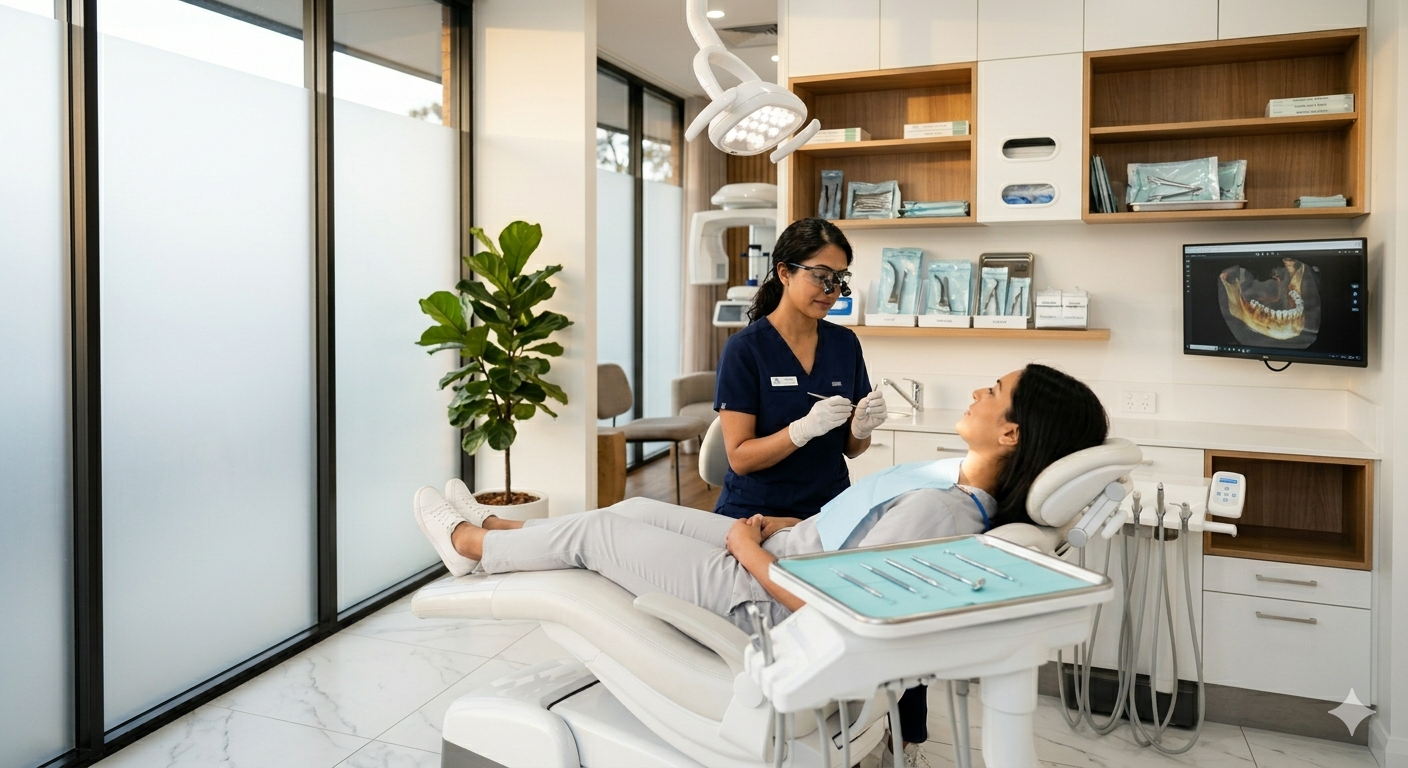
When a dental emergency strikes in Crestview, FL, quick and reliable care is essential. Whether it’s a sudden toothache, broken tooth, or lost filling, knowing where to turn can ease stress and prevent further damage. Emergency dentists in Crestview offer prompt treatment to relieve pain and address urgent dental issues effectively.
These dentists understand that emergencies don’t follow a schedule, so many provide same-day appointments or after-hours services. They use modern techniques and prioritize patient comfort to make unexpected visits less intimidating.
For anyone facing a dental crisis, having access to skilled professionals nearby ensures treatment is both timely and compassionate. If questions arise or pain worsens, reaching out to an emergency dentist can make all the difference.
What Constitutes a Dental Emergency?
Dental emergencies involve situations where quick treatment is necessary to relieve pain, stop bleeding, or prevent further damage. Recognizing the right signs and understanding when to seek immediate care can protect teeth and overall health.
Common Symptoms Requiring Urgent Care
Symptoms like severe tooth pain that won’t go away, swelling around the face or gums, and uncontrolled bleeding after an injury often signal a dental emergency. A cracked or knocked-out tooth also demands prompt attention to save it.
Other signs include persistent fever combined with dental pain, which might mean an infection has spread. Difficulty breathing or swallowing related to oral pain needs immediate medical care.
Differences Between Urgent and Routine Dental Issues
Urgent dental issues cause intense pain, damage, or risk infection, requiring treatment within hours or a day. Routine problems, like minor sensitivity or a small cavity, allow for scheduled visits without immediate harm.
Urgent care focuses on stopping pain or infection quickly, while routine care involves prevention and fixing issues before they worsen. Knowing the difference helps avoid unnecessary emergency visits.
Why Immediate Action Matters
Delaying treatment for a dental emergency can lead to worsening pain, infection, or permanent tooth loss. Quick action often means less invasive procedures and faster recovery.
For example, saving a knocked-out tooth is more likely within one hour of the injury. Prompt treatment also reduces the risk of infections spreading to other parts of the body, which can have serious health effects.
Emergency Dental Services in Crestview FL
Emergency dental care in Crestview focuses on quick, effective relief from pain and injury using modern techniques. Whether it’s sudden tooth pain or a broken tooth, local dentists provide tailored treatments designed to stabilize the situation and restore comfort.
Accessibility and swift action are key. Patients can expect immediate evaluation and hands-on care that addresses both the symptom and the source of the problem efficiently.
Types of Immediate Treatments Available
Crestview emergency dentists offer several critical treatments based on the injury or issue. For severe toothaches, they typically begin with pain relief methods like prescription medication or local anesthesia.
Broken or chipped teeth may be repaired with bonding materials or temporary crowns to protect the tooth while preparing a permanent fix. Dislodged or knocked-out teeth often require urgent repositioning or reimplantation to increase the chance of saving the tooth.
Infections or abscesses get managed through drainage and antibiotics. Many practices also handle soft tissue injuries such as cuts or lacerations by cleaning and suturing wounds to prevent infection.
What to Expect During an Emergency Visit
When patients arrive for emergency dental care, the dentist prioritizes immediate comfort and evaluation. Initial steps usually include a quick examination, often supported by X-rays, to determine the severity and exact cause of the problem.
The dentist then discusses treatment options clearly, focusing on what will relieve pain and stabilize teeth. Pain management is a priority, and patients may receive anesthetics or medications during the visit.
Treatment times vary but many emergency procedures are done in one visit to reduce the need for multiple appointments. Staff ensure patients understand aftercare procedures to support healing and prevent further complications.
How Crestview Dentists Handle Dental Trauma
Dental trauma cases in Crestview are approached with focused care that balances speed and precision. First, dentists assess damage severity, including any impact on surrounding tissues or jaw alignment.
Treatment might involve repositioning teeth, splinting loose teeth, or performing root canals if nerves are exposed. Dentists also monitor for signs of infection or damage to bone structures as part of comprehensive trauma care.
Throughout the process, communication is key. Dentists explain each step, listen to patient concerns, and recommend follow-up visits or referrals to specialists if needed. This ensures both immediate recovery and long-term dental health.
How to Find an Emergency Dentist in Crestview
Finding an emergency dentist quickly can ease pain and prevent further damage. Knowing where to look and what to ask helps ensure you get timely, quality care.
Local Resources for After-Hours Dental Care
Many Crestview dentists offer after-hours or weekend emergency services. Start by checking with local dental offices; some have rotating schedules for emergencies.
Urgent care centers and hospital emergency rooms can handle severe dental trauma but may not offer full dental treatment. Crestview community health centers sometimes provide emergency dental care at reduced fees.
Online directories like the Florida Dental Association’s website list emergency dentists with office hours clearly marked. Calling ahead to verify availability before visiting saves time and frustration.
Questions to Ask When Choosing an Emergency Dentist
Ask about availability—can they see you the same day or within 24 hours? This ensures prompt relief.
Inquire about costs and insurance. Confirm if they accept your insurance or offer payment plans to avoid surprises later.
Check the dentist’s experience with emergency procedures, especially pain management and common urgent treatments like tooth extractions or infections.
Finally, ask about comfort measures, such as sedation options. Knowing the dentist prioritizes patient comfort can ease anxiety during a stressful situation.
Modern Techniques for Pain Relief and Comfort
Emergency dentists in Crestview, FL use a variety of modern methods aimed at reducing pain quickly and making treatments as comfortable as possible. These include gentle treatment techniques that minimize discomfort and sedation options that help anxious patients relax during emergencies.
Gentle Approaches to Emergency Procedures
Dentists focus on minimizing pain during urgent dental treatments by using precision tools and techniques. For example, they may use ultra-fine needles for local anesthesia to lower the initial sting. Additionally, they apply topical numbing gels before injections to ease sensitivity.
Procedures are performed carefully to avoid unnecessary pressure or stretching of tissues. Cold therapy and vibration devices can also be used to distract nerve signals and reduce discomfort during treatments like extractions or root canals. These gentle approaches make quick dental repairs less stressful and reduce recovery time.
Sedation Options for Anxious Patients
For patients with dental anxiety, Crestview emergency dentists offer several sedation choices to ensure comfort. Nitrous oxide (laughing gas) provides mild relaxation and wears off quickly, making it ideal for short procedures. Oral sedation pills can be given before treatment, helping patients feel calm while remaining awake.
In more complex cases, IV sedation may be used, offering deeper relaxation with careful monitoring. Dentists always discuss sedation options based on the patient’s health, anxiety level, and the emergency’s urgency. This personalized approach helps make even tough procedures more manageable without pain or fear.
Preventing Dental Emergencies
Taking care of teeth daily and using the right protection during activities can significantly reduce the risk of dental emergencies. Simple habits and careful choices make a big difference in keeping smiles safe and healthy.
Everyday Habits for Strong, Healthy Teeth
Brushing teeth twice a day with fluoride toothpaste is essential for preventing decay and gum disease. Flossing daily removes plaque where a toothbrush can’t reach, reducing the chances of infection.
Limiting sugary snacks and drinks helps protect enamel from erosion and cavities. Drinking water regularly aids in washing away food particles and keeps saliva levels balanced, which naturally defends against bacteria.
Regular dental check-ups allow professionals to spot early problems before they become emergencies. Prompt treatment of small issues like cavities or gum irritation lowers the chance of sudden pain or infection later on.
Protective Gear for Sports and Activities
Wearing a properly fitted mouthguard during contact sports like football, hockey, or basketball protects teeth from fractures and knocks. Custom mouthguards offered by dentists provide the best fit and comfort compared to store-bought options.
For activities like biking or skateboarding, helmets with face guards offer additional protection for both teeth and soft tissues. It’s important to replace mouthguards and helmets regularly to ensure they continue to provide effective protection.
Encouraging children and adults alike to use protective gear consistently can prevent traumatic dental injuries and avoid emergency visits. Having this safety habit in place supports long-term oral health.
Costs and Insurance for Emergency Dental Care
Emergency dental visits can vary widely in cost depending on the treatment needed. Insurance coverage may help but knowing what fees to expect and how to use your plan is important for avoiding surprises.
Understanding Emergency Dental Fees
Emergency dental fees depend on the severity of the condition and the procedures performed. Basic visits, like evaluations or X-rays, generally cost between $75 and $150. More involved treatments, such as root canals, extractions, or crowns, can range from $200 to over $1,000.
Many emergency services carry an added urgency or after-hours fee, increasing costs by $50 to $150. Some clinics offer flat emergency consultation fees to simplify pricing. It’s a good idea to ask upfront about fees and payment options to prepare financially.
Navigating Dental Insurance and Payment Plans
Most dental insurance plans cover emergency visits, usually paying 50% to 80% of basic procedures after deductibles. However, coverage for major treatments like root canals or crowns may be limited or subject to waiting periods. It’s best to verify benefits with the insurance provider before treatment if possible.
Many Crestview clinics also offer payment plans or financing options with low-interest rates. These plans can spread costs over several months, making care more affordable. Patients should inquire about these options when scheduling emergency visits to ease financial stress.
When to Contact an Emergency Dentist Immediately
Some dental problems require urgent attention to prevent further damage or pain. Knowing the signs and what to do before reaching the dentist can save teeth and ease discomfort quickly.
Warning Signs You Shouldn’t Ignore
Sudden, intense tooth pain that doesn’t improve with over-the-counter painkillers is a clear signal to seek emergency care. Uncontrolled bleeding from the mouth after an injury or a lost filling or crown causing sharp pain should also prompt a quick dental visit.
Swelling around the jaw or face, difficulty breathing or swallowing, and severe infections can worsen rapidly. These are urgent situations where delaying treatment could lead to serious complications.
Steps to Take Before You Reach the Dentist
Rinse your mouth gently with warm water to clean the area if there is bleeding or debris. Use a cold compress outside the mouth to reduce swelling and ease pain.
Avoid hard foods and do not touch the injured area with your tongue or fingers. If a tooth is knocked out, keep it moist by placing it in milk or a tooth preservation kit and head to the dentist immediately.
If bleeding continues, apply gentle pressure with a clean cloth or gauze. Staying calm and acting quickly improves the chances of saving the tooth and reduces discomfort.
Compassionate Follow-Up Care After a Dental Emergency
After the immediate pain and stress of a dental emergency in Crestview, follow-up care plays a crucial role. Dentists ensure that healing is on track and that any complications are addressed quickly. This ongoing support helps patients feel secure and cared for beyond the initial treatment.
Follow-up visits often include gentle examinations and sometimes X-rays to monitor healing. Dentists explain what to expect during recovery and provide clear care instructions. They may suggest pain management tips, dietary adjustments, or gentle hygiene practices to promote comfort.
Typical follow-up care might involve:
| Step | Purpose |
|---|---|
| Check healing | Confirm injured areas are repairing |
| Adjust treatments | Modify splints, fillings, or crowns |
| Address pain | Manage discomfort or swelling |
| Prevent infection | Look for signs of infection early |
Dentists encourage open communication so patients can share concerns or changes in symptoms. This partnership reassures patients that help is available if needed.
If you or someone you know experiences a dental emergency, reaching out to a trusted Crestview dentist for thorough follow-up care can make a big difference. It supports faster recovery and helps maintain long-term oral health. Don’t hesitate to ask questions or schedule that next appointment to keep your smile safe.
Take the Next Step Toward Better Oral Health
When a dental emergency strikes, seeking prompt care is the first step to protect your smile. An emergency dentist in Crestview, FL, offers timely treatments that relieve pain and prevent further damage.
Patients will find a range of services designed for comfort and effectiveness, from advanced pain management to quick restoration of teeth. These services help reduce anxiety and make urgent visits less stressful.
Here are some simple steps to prepare for an emergency dental visit:
- Keep a list of local emergency dentists handy
- Note your medical history and any medications you take
- Call ahead if possible to describe your symptoms
Taking preventive measures between appointments also matters. Regular check-ups and cleanings can catch problems early, reducing the chances of urgent situations.
Choosing a trusted dentist means access to expert advice and modern technology that supports fast, gentle care. This approach helps patients feel confident and well cared for during emergencies.
Encouraging patients to ask questions and communicate openly ensures their needs and concerns are understood. After all, feeling supported is just as important as effective treatment.
If pain or injury occurs, reaching out to a Crestview emergency dentist is the best next step. Early action can protect both oral health and peace of mind.
Frequently Asked Questions
Knowing when to seek immediate dental care and how to manage pain safely can make a big difference during an emergency. It’s important to understand what services are best handled by a dentist versus an emergency room, and how newcomers to Crestview can find trustworthy care.
What counts as a true dental emergency versus something that can wait until a regular appointment?
A true dental emergency involves severe pain, uncontrolled bleeding, tooth loss, or an injury that affects the jaw or face. Minor issues like mild sensitivity or a loose crown typically can wait for a scheduled visit.
If swelling, fever, or persistent pain is present, it’s usually a sign of an urgent problem needing prompt attention.
If I have a severe toothache at night or on the weekend, what should I do first to get relief safely?
Over-the-counter pain relievers like ibuprofen can help reduce pain and inflammation. Avoid very hot, cold, or sugary foods that might worsen the ache.
Rinsing with warm salt water can ease discomfort until a dentist is available. Contacting an emergency dentist who offers after-hours care is the best next step.
What can the emergency room actually do for a dental problem, and when is it better to see a dentist instead?
Emergency rooms handle severe trauma, uncontrollable bleeding, or infections causing systemic symptoms. They can provide pain relief and antibiotics but usually cannot perform dental repairs.
Seeing a dentist is better for issues like broken teeth, abscesses, or root problems that require specialized treatment.
How can I handle a dental emergency if I don’t have a regular dentist yet or I’m new to the area?
Start by searching for local emergency dental clinics or offices with same-day appointments. Many Crestview dentists offer walk-in emergency services or after-hours care.
Calling ahead to describe the problem helps the office prepare and prioritize your visit quickly.
My child chipped a tooth or has a swollen gum—when should I bring them in right away?
If the tooth is loose, causing pain, or visibly fractured, bringing your child in immediately is important. Swollen gums with fever or persistent pain also need prompt evaluation.
Minor chips without pain can wait for a regular checkup but should be monitored to avoid complications.
Do any local dental offices accept Medicaid for urgent dental visits, and what should I bring to my appointment?
Several Crestview dental offices accept Medicaid for emergency treatment. Call ahead to confirm participation and appointment availability.
Bring your Medicaid card, photo ID, and any dental records if possible. This speeds up the check-in and allows for smoother care.