
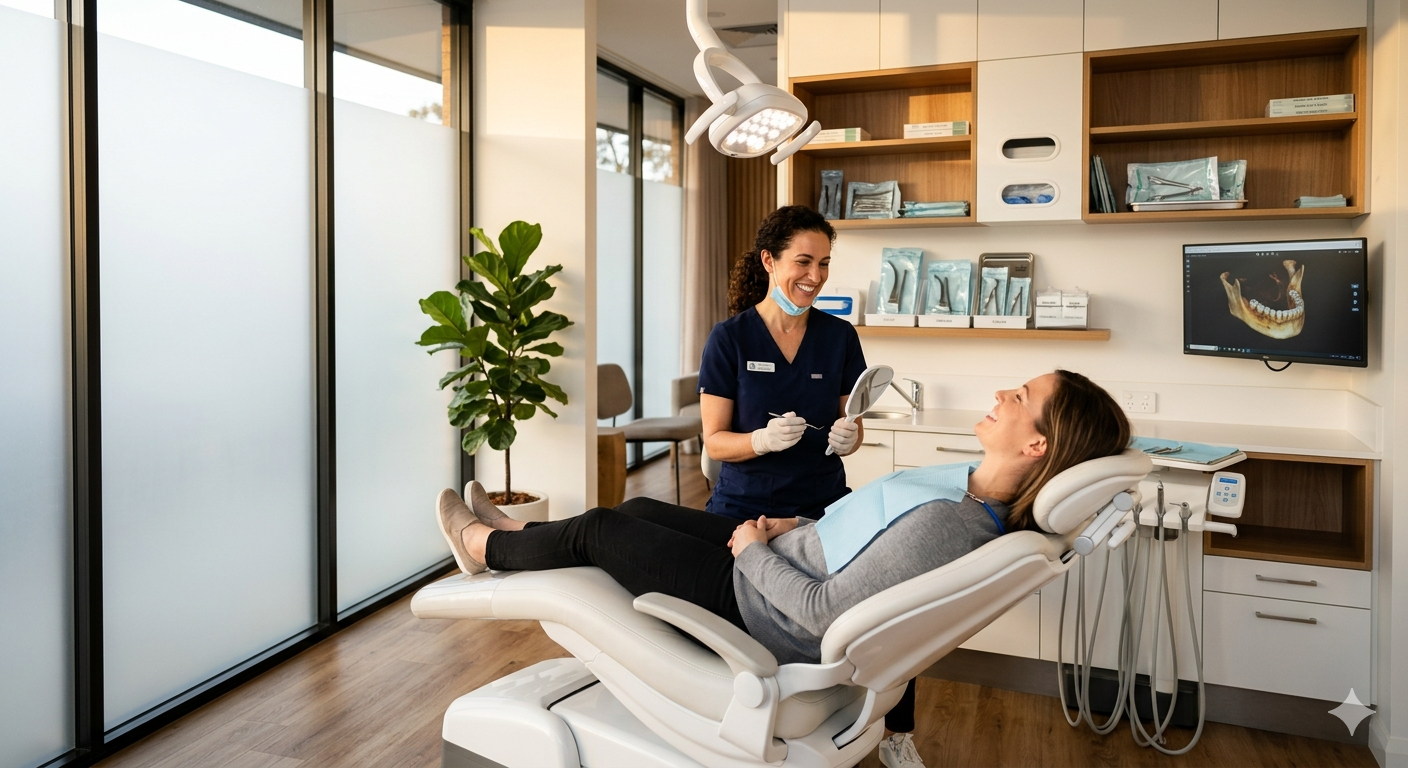
Emergency Dental Services Crestview FL For Immediate Care and Comfort
When dental emergencies strike in Crestview, FL, knowing where to turn can make all the difference. Whether it’s a painful toothache, a broken tooth, or sudden swelling, quick access to emergency dental care ensures timely relief and prevents further damage. Emergency dental services in Crestview provide prompt, expert care tailored to urgent dental needs.
These services are designed to handle unexpected dental problems outside regular office hours, offering comfort and treatment when it matters most. Patients can expect compassionate care from professionals who prioritize both pain management and effective solutions.
With modern techniques and gentle approaches, Crestview’s emergency dentists help ease anxiety and restore dental health efficiently. If faced with a dental emergency, reaching out to a trusted local provider is the best next step for swift, reliable care.
Recognizing Dental Emergencies
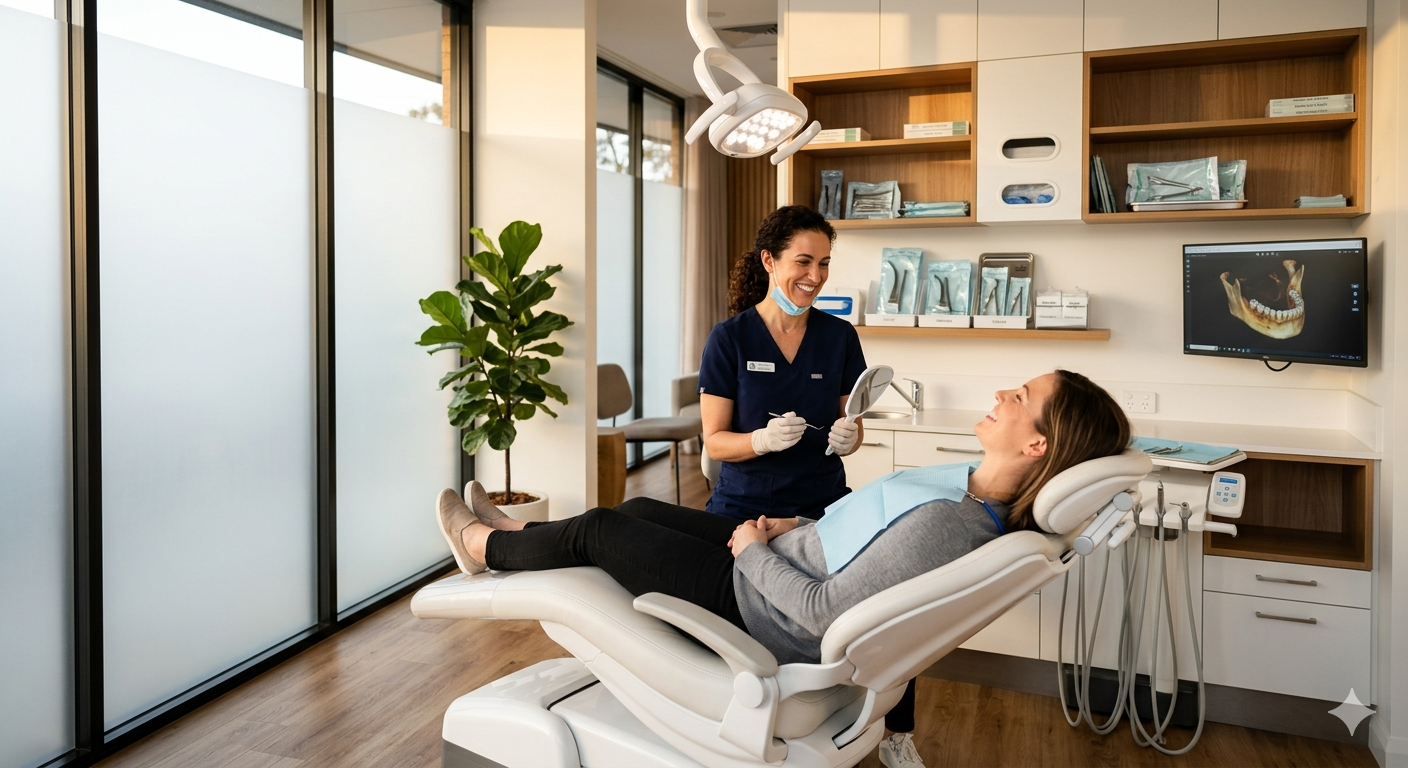
Knowing when a dental issue needs urgent attention can save teeth and reduce pain. Some signs point clearly to emergencies, while others may require a professional’s judgment on whether to see an emergency dentist or visit the ER. Quick, appropriate responses can limit damage and improve outcomes.
Common Signs That Require Immediate Care
Severe tooth pain that suddenly starts or worsens often signals an emergency. Intense swelling around the face or mouth can indicate infections needing prompt treatment to prevent spreading. A knocked-out tooth requires action within an hour to increase the chance of saving it.
Other critical signs include broken or chipped teeth that expose nerves, uncontrollable bleeding after trauma, and abscesses with pus or fever. If any of these symptoms occur, a quick visit to an emergency dental provider in Crestview, FL is necessary to avoid complications.
When To Visit An Emergency Dentist Versus The ER
An emergency dentist should be the first choice for issues like tooth fractures, severe pain, lost fillings or crowns, and dental infections. These professionals offer tailored treatments such as pain relief, root canals, or tooth replantation that hospital ERs may not provide.
The ER is more suitable for life-threatening conditions like jaw fractures, heavy bleeding that won’t stop, or difficulty breathing or swallowing caused by a dental injury. If there are signs of trauma combined with other serious symptoms, seek emergency medical help immediately.
How To Respond To Sudden Dental Pain
Start by rinsing the mouth gently with warm water to clear debris. Use a cold compress on the cheek to reduce swelling and alleviate pain. Over-the-counter pain medication can help until professional care is available.
Avoid placing aspirin directly on the gums or teeth, as this can cause burns. If a tooth is chipped or knocked out, save the pieces and keep them moist in milk or saliva. Contact a local Crestview emergency dentist as soon as possible for timely treatment and pain relief.
Types Of Urgent Dental Issues
Emergency dental problems can range from sharp pain to sudden damage that needs immediate attention. Recognizing the signs and knowing what to expect when seeking care helps reduce discomfort quickly and protects oral health.
Toothaches And Severe Sensitivity
Toothaches are often caused by infections, cavities, or nerve irritation. When the pain becomes intense or persistent, it indicates that the issue can’t wait for a routine checkup.
Severe sensitivity may feel like a sharp, stabbing sensation when consuming hot, cold, or sweet foods and drinks. This can signal exposed dentin, cracked teeth, or even advanced decay.
Prompt treatment usually involves assessing the cause, relieving pain, and preventing infection. Early dental intervention can save the tooth and stop worsening symptoms.
Knocked-Out Or Chipped Teeth
A knocked-out tooth requires immediate action to improve chances of reattachment. The tooth should be gently rinsed, avoiding scrubbing, and ideally kept moist in milk or saliva until reaching a dentist.
Chipped teeth, while less urgent, still need evaluation to prevent infection or damage to the pulp. Treatment may include smoothing rough edges, bonding, or crowns to restore appearance and function.
Quick response protects nerves and supports healing, minimizing long-term complications linked to trauma.
Lost Fillings Or Crowns
Losing a filling or crown exposes the tooth underneath to bacteria, causing pain or further decay. It also affects chewing and may cause sharp edges that irritate the tongue or gums.
Temporary dental cement or sugar-free gum can provide short-term relief before professional repair. Emergency dental care focuses on reattaching or replacing the restoration to secure the tooth and relieve discomfort.
The earlier the treatment, the less likely the tooth will suffer additional damage or infection.
Broken Braces Or Wires
Broken braces or wires can poke or irritate soft tissues in the mouth, causing pain and possible sores. Loose wires may also disrupt treatment progress if left unattended.
Dentists offer quick fixes, like trimming wires or cushioning sharp ends with orthodontic wax. These temporary solutions protect the inside of the mouth and maintain brace stability until a full repair.
Timely attention keeps orthodontic treatment on track and reduces injury risk.
What To Expect During Your Visit
When visiting an emergency dentist in Crestview, FL, patients can expect a careful and organized process designed to quickly address pain and damage. Each step focuses on accurate assessment, effective pain relief, and ensuring the patient feels comfortable and informed throughout treatment.
Steps In Emergency Dental Assessment
The dental team begins with a thorough examination, asking about the injury or pain’s history and symptoms. They use diagnostic tools like X-rays to locate issues such as fractures, infections, or impacted teeth.
Next, the dentist prioritizes treatment based on severity. For example, severe infections or broken teeth might require immediate attention, while milder issues may be scheduled for follow-up care.
During the assessment, the dentist explains findings clearly, helping patients understand their condition and the steps needed to repair or relieve it. This upfront communication reduces anxiety and builds trust.
Modern Pain Relief Solutions
Modern emergency dental care in Crestview uses a range of pain management options tailored to each patient’s needs. Local anesthesia is common, numbing only the affected area for quick and effective pain control during procedures.
For severe pain, dentists may offer prescription medication or suggest over-the-counter options for aftercare. Sedation dentistry is also available if anxiety complicates treatment.
The goal is to maintain comfort without unnecessary medication, focusing on fast-acting, targeted relief so patients can recover with minimal discomfort.
Patient Comfort And Communication
Patient comfort starts the moment they walk in, with staff trained to be gentle and empathetic. The dental office creates a calm environment, offering options like blankets, noise-canceling headphones, or breaks during treatment.
Dentists prioritize explaining each step in simple terms, answering questions as they come up to keep patients informed and at ease. This ongoing dialogue helps patients feel in control despite the emergency.
After treatment, clear instructions and follow-up plans are provided, ensuring patients know how to care for their teeth and when to return if problems persist.
Crestview FL’s Dental Care Approach
In Crestview, dental care is tailored to make emergency treatment quick, effective, and low-stress. The focus is on using modern tools and methods alongside empathetic patient care to ensure comfort and precise results. These priorities help patients recover smoothly and feel supported through any dental emergency.
Specialized Equipment And Techniques
Dentists in Crestview use advanced technologies like digital X-rays and 3D imaging to diagnose problems fast and accurately. These tools reduce wait times and improve treatment precision, which is crucial during emergencies. For example, a digital X-ray can reveal tooth fractures or abscesses immediately, guiding prompt decisions.
Minimally invasive techniques are common. Laser dentistry often replaces scalpels for certain procedures, minimizing pain and speeding healing. Emergency providers also use sedation options tailored to each patient’s needs, helping those with anxiety stay relaxed throughout treatment. This combination of equipment and methods ensures that emergency dental care is both high-tech and patient-friendly.
Gentle, Compassionate Patient Support
Emergency dental care in Crestview is known for its warm, caring approach. Staff prioritize clear communication, explaining each step and answering any questions to ease patients’ concerns. They understand dental pain can be frightening and work patiently to build trust.
Comfort is also prioritized in the physical environment, with cozy waiting areas and flexible scheduling to reduce stress. Providers often follow up after treatment to check on healing and address lingering issues. This empathetic care helps patients feel cared for, not just treated, reinforcing Crestview’s commitment to kindness during dental emergencies.
At-Home Care Tips Before Seeing A Dentist
When dental emergencies strike, some careful steps at home can ease pain and prevent the problem from worsening. Managing pain, safeguarding injured teeth, and avoiding further harm are essential actions to take before professional care is available.
Managing Discomfort Safely
Pain relief is a top priority when waiting for a dentist. Applying a cold compress to the outside of the cheek can reduce swelling and numb the area. Over-the-counter pain medications like ibuprofen or acetaminophen help manage pain but should be taken according to the label instructions.
Avoid putting aspirin or any medication directly on the gums or tooth as this can cause burns or irritation. Rinsing the mouth gently with warm saltwater can clean the area and soothe discomfort, especially after an injury or tooth extraction.
Protecting Damaged Teeth
If a tooth is chipped, cracked, or partially knocked out, protecting it reduces the risk of further damage. Avoid chewing on that side and stick to soft foods or liquids.
For a knocked-out tooth, gently rinse it with water if dirty, but do not scrub or remove any attached tissue. If possible, place the tooth back in its socket or keep it moist in milk or saliva. This can improve chances of successful reimplantation.
Avoiding Further Injury
It’s important not to aggravate the injury. Avoid using the injured area to bite, chew, or chew gum. Do not attempt to fix loose or broken teeth yourself.
Keep any damaged parts, such as tooth fragments, and bring them to your dental appointment. Staying calm and avoiding strenuous activity helps control bleeding and prevents additional trauma to the mouth.
Preventing Future Dental Emergencies
Dental emergencies are often preventable with a few mindful steps. Paying attention to daily habits, scheduling routine dental visits, and using protective gear during physical activities significantly reduce the risk of sudden dental problems.
Adopting Healthy Habits
Maintaining good oral hygiene is crucial for avoiding tooth decay and gum disease, which are common causes of dental emergencies. Brushing twice daily with fluoride toothpaste and flossing once a day help remove plaque and prevent cavities.
Limiting sugary snacks and acidic drinks protects tooth enamel from erosion. Drinking plenty of water throughout the day aids saliva production, which naturally cleanses the mouth and neutralizes acids.
Avoid using teeth as tools to open packages or bite hard objects, as this can cause chips or fractures. Establishing these habits provides a strong foundation for long-term dental health.
Importance Of Regular Checkups
Regular dental checkups catch potential problems before they become emergencies. Dentists in Crestview check for signs like cracked teeth, infections, or early decay that may not yet cause pain but could turn urgent if untreated.
Professional cleanings remove tartar buildup that brushing alone can’t handle, lowering the risk of gum disease. Depending on the patient’s oral condition, visits every six months or more frequently might be recommended.
These appointments also provide an opportunity to discuss any dental discomfort or concerns promptly, allowing for early intervention and peace of mind.
Protective Gear For Active Lifestyles
Wearing the right protective equipment during sports or physical activities is essential to prevent dental injuries. Custom-fitted mouthguards cushion impacts, reducing the chance of chipped or knocked-out teeth.
Helmets and face shields add an extra layer of protection, especially for contact sports like football, hockey, or skateboarding. Over-the-counter options exist, but custom guards offer better comfort and fit.
For children and adults alike, investing in protective gear can save the trouble and pain of emergency dental visits. It’s a simple step that makes a big difference in oral safety.
How To Choose The Right Emergency Dentist In Crestview
When looking for an emergency dentist in Crestview, availability is key. A good emergency dentist offers same-day appointments or after-hours care to handle urgent dental problems quickly.
Next, consider the dentist’s experience with emergencies. Not all dentists specialize in urgent care, so it’s important to find someone comfortable treating sudden issues like toothaches, broken teeth, or abscesses.
Patient comfort matters. The right emergency dentist will create a calm environment, explain procedures clearly, and use modern pain management techniques. This helps reduce anxiety during stressful situations.
Check if the dentist accepts your insurance or offers flexible payment options. Emergencies can be costly, so knowing your financial options upfront can ease worries during care.
Here’s a quick checklist to help:
| Criteria | What to Look For |
|---|---|
| Availability | Same-day or weekend appointments |
| Experience | Skilled in emergency treatments |
| Patient Comfort | Friendly staff, pain management |
| Insurance & Payment | Accepted plans and flexible options |
Choosing the right emergency dentist gives both peace of mind and prompt relief. Encourage friends or family in Crestview to keep contact info handy for unexpected dental issues.
Next Steps For Peace Of Mind
When a dental emergency happens in Crestview, taking quick and calm action is key. The first step is to contact a trusted emergency dental service that offers prompt appointments and clear guidance. This helps reduce anxiety and prevents complications.
It’s important for patients to keep a list of local emergency dentists, including after-hours options. Having these contacts saves time and stress in urgent situations. Many offices now provide remote consultations to assess severity before an in-person visit.
Patients should also prepare a simple emergency dental kit at home. Items like gauze, a small container for knocked-out teeth, and over-the-counter pain relief can be very helpful. These small steps empower people to manage pain safely while on the way to care.
Here’s a quick checklist to keep handy:
| Step | Purpose |
|---|---|
| Save the contact info | Reach emergency dentist quickly |
| Prepare dental emergency kit | Ease initial pain and protect injury |
| Avoid harmful foods | Prevent further damage to teeth or gums |
| Stay calm and follow advice | Ensure the best care path |
Following these steps supports better outcomes and peace of mind. If questions arise about what to do or how to prevent future emergencies, consulting a Crestview dental expert is a wise next move.
Frequently Asked Questions
Understanding when a dental issue requires immediate care can help protect your smile and reduce discomfort. Knowing basic home remedies and what to expect at different care locations also ensures you get the right treatment quickly.
What counts as a true dental emergency versus something that can wait until the next business day?
True emergencies include severe tooth pain, uncontrolled bleeding, knocked-out teeth, and swollen faces or jaws. Minor issues like a loose filling or mild sensitivity usually can wait until regular office hours.
If I can’t reach a dentist right away, what should I do at home to protect the tooth and ease pain safely?
Rinse your mouth gently with warm saltwater to reduce bacteria and ease pain. Use over-the-counter pain relievers as directed, and avoid chewing on the injured side until you see a dentist.
Can a hospital emergency room help with severe tooth pain or a dental infection, and what can they actually do?
Hospital ERs can treat severe pain and infections with antibiotics or pain medications. However, they typically cannot perform dental procedures or fix the underlying tooth problem.
How quickly should I be seen for a broken tooth, knocked-out tooth, or facial swelling?
A broken or knocked-out tooth needs prompt attention—ideally within an hour—to improve chances of saving it. Facial swelling from infection should also be treated quickly to prevent worsening.
What treatment options are available for an abscessed tooth, and how can I prevent it from coming back?
Treatment often involves drainage, antibiotics, and root canal therapy or extraction if necessary. Good oral hygiene and regular dental visits help prevent abscesses.
Do any local dental offices accept Medicaid for urgent dental visits, and what should I bring to the appointment?
Some Crestview dental offices accept Medicaid for emergencies. Bring your Medicaid card, a photo ID, and any dental or medical records you have to speed up the process.