
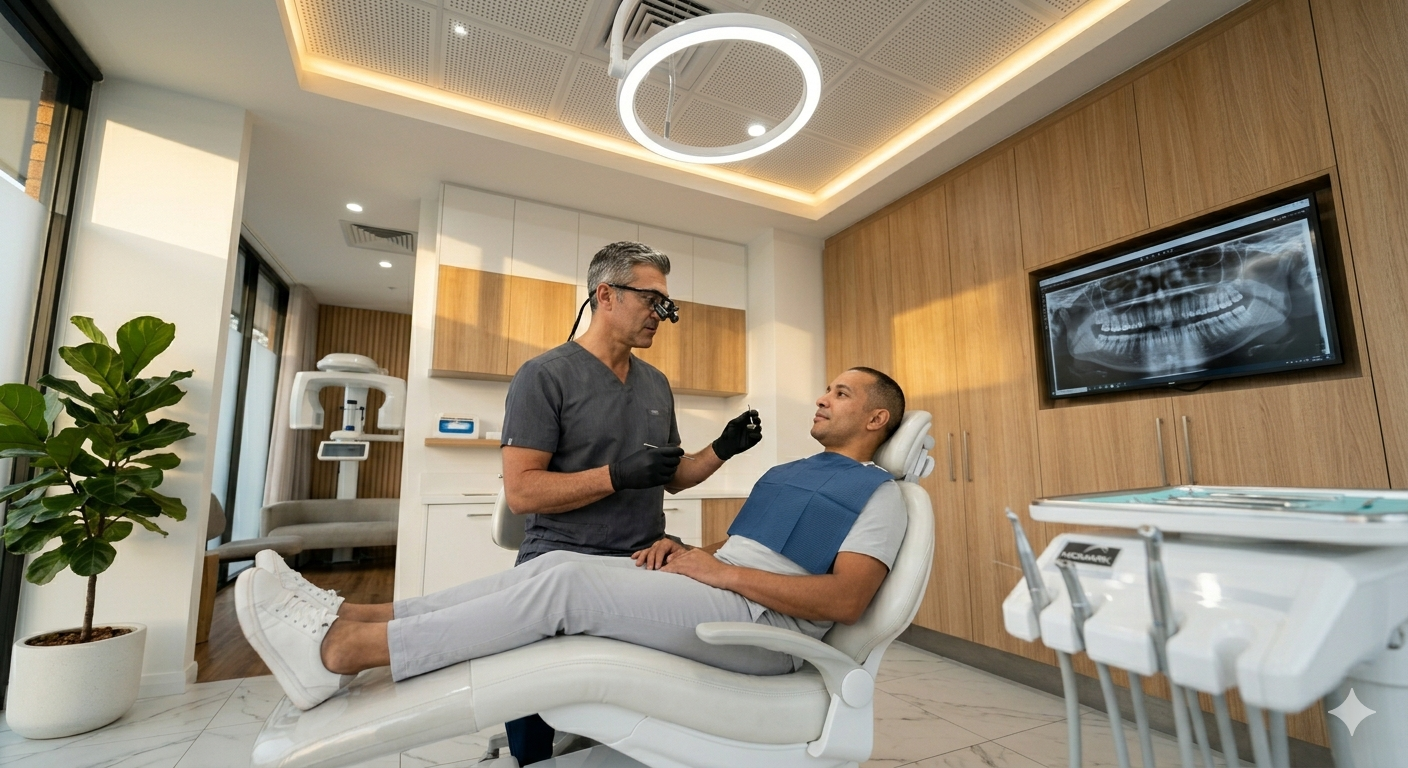
Emergency Dental Services Crestview FL — Immediate Care, Comfort, and What to Expect
You can get fast, effective emergency dental care in Crestview, FL when a tooth cracks, pain spikes, or an injury happens. Contacting a local emergency dentist right away can ease pain, prevent infection, and often save a damaged tooth.
They will explain when to seek immediate care, what types of emergencies require urgent attention, and what the emergency visit will likely involve. The article also covers practical steps to prepare for an emergency, modern treatment options available in Crestview, and how to choose a trusted dentist so you feel confident and ready if an unexpected dental problem occurs.
When to Seek Immediate Dental Care
This section lists clear signs that require urgent attention, the usual causes behind those signs, and the risks of waiting for treatment. It helps readers decide when to contact an emergency dental office in Crestview, FL and what to expect if they delay care.
Signs of a Dental Emergency
Severe tooth pain that wakes a person at night or does not respond to over-the-counter pain relievers often signals infection or nerve damage and needs prompt evaluation. Visible swelling of the face, jaw, or inside the mouth — especially if accompanied by fever or difficulty breathing — may indicate a spreading infection that requires same-day care.
Uncontrolled bleeding after a tooth extraction, trauma with a knocked-out tooth, or a tooth that has been fractured down to the gumline are emergencies needing immediate treatment. Persistent pus, a bad taste, or loose permanent teeth after an injury also warrant urgent attention. If chewing or swallowing becomes painful or impossible, seek emergency dental services right away.
Common Causes of Urgent Dental Situations
A dental abscess from untreated decay or a failed root canal commonly produces intense pain, swelling, and systemic symptoms like fever. Sports injuries, falls, or car accidents can fracture teeth, loosen them, or knock them out — these traumatic events need quick action to increase chances of saving the tooth.
Advanced gum disease can lead to sudden tooth mobility and infection requiring urgent cleaning and antibiotics. Post-procedure complications such as dry socket after an extraction or excessive bleeding also prompt emergency visits. Appliance-related problems — broken crowns, lost fillings causing sharp edges, or displaced dentures — can create pain and soft-tissue damage that dentists often treat same day.
Risks of Delaying Treatment
Delaying care for an infected tooth can allow bacteria to spread into surrounding bone, sinuses, or soft tissues, increasing the need for surgical intervention or hospitalization. Untreated facial swelling may progress to airway compromise or sepsis in rare cases, raising the stakes beyond dental repair.
A knocked-out tooth left untreated for hours reduces the likelihood of successful re-implantation. Waiting on a fractured tooth can lead to further breakage, root infection, or permanent tooth loss. Prompt treatment typically preserves more natural tooth structure, reduces overall treatment time, and limits the need for extensive, costly procedures later.
If symptoms match any of the above, contact a local emergency dental clinic in Crestview, FL immediately to arrange assessment and next steps.
Types of Dental Emergencies
This section explains common urgent problems, what immediate steps to take, and which treatments dentists in Crestview, FL typically provide.
Severe Toothaches and Infections
Severe tooth pain often signals inflammation or infection in the tooth pulp (pulpitis) or an abscessed tooth. Symptoms include constant throbbing, pain that wakes a patient at night, swelling of the face or gums, fever, and sensitivity to hot or cold. These signs warrant prompt evaluation to prevent spread of infection to surrounding bone or systemic illness.
Initial self-care: rinse with warm salt water, avoid very hot or cold foods, take over-the-counter pain relievers (ibuprofen unless contraindicated), and keep any area of swelling elevated. Do not place aspirin directly on the gum or tooth; that can damage tissue.
Dental care: clinicians will diagnose with exam and X-rays, then provide treatments such as root canal therapy to remove infected pulp, incision and drainage for abscesses, or extraction when the tooth cannot be saved. Antibiotics are prescribed when signs of systemic infection or spreading cellulitis appear.
Broken or Knocked-Out Teeth
A broken tooth ranges from a small chip to a fracture that exposes the pulp, while an avulsed (knocked-out) tooth requires immediate action for best chance of reimplantation. For a knocked-out permanent tooth, time matters: reimplantation within 30–60 minutes significantly improves success.
Immediate steps for a knocked-out tooth: pick up the tooth by the crown (avoid the root), rinse with saline or milk if dirty, and attempt to reinsert gently if possible. If reinsertion isn’t possible, store the tooth in milk, saline, or a tooth preservation kit and get to the dentist or emergency clinic immediately.
For fractured teeth, control bleeding with gauze, apply a cold pack for swelling, and save any tooth fragments for potential bonding. Treatment options include dental bonding, crowns, root canal therapy if the pulp is exposed, or extraction for non-restorable fractures.
Lost Fillings or Crowns
A lost filling or crown can cause pain, sensitivity, or difficulty chewing and increases risk of decay. The exposed tooth structure may be sharp or sensitive to temperature and pressure.
Short-term measures: retain and bring the restoration to the dentist, avoid sticky or hard foods on that side, and use dental cement or temporary filling material (available at pharmacies) to protect the tooth until professional care. Over-the-counter dental cement can securely cover the area for short periods.
Definitive care: the dentist will evaluate for decay beneath the restoration, check the tooth’s structural integrity, and decide whether to replace the crown or filling, perform a root canal if the pulp is compromised, or build up the tooth with a post and core before a new crown. Restorations made with modern materials often restore function and appearance quickly.
What to Expect During Your Emergency Visit
Patients can expect a quick intake, focused diagnostics, pain control, and a clear plan for treatment or referral. Staff prioritize comfort, efficient imaging, and same-day care when possible.
How Emergency Appointments Work
On arrival, staff complete a brief medical and dental history focused on the current problem — pain level, swelling, trauma, medications, and allergies. Triage determines urgency: life-threatening situations get immediate attention; severe pain or infection move to the front; less urgent issues may be scheduled later the same day.
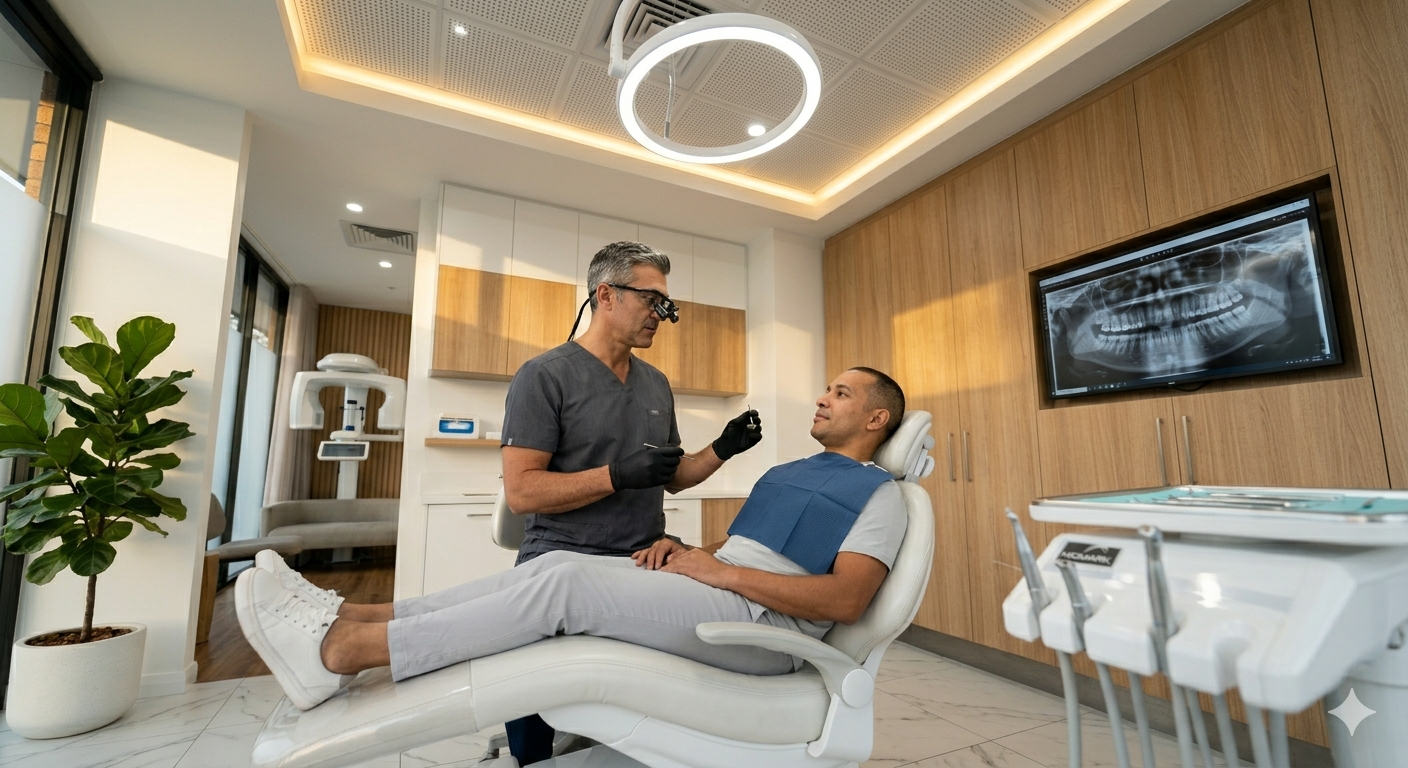
The clinician performs a focused exam and usually takes digital X-rays or a CBCT scan if needed to identify fractures, abscesses, or root issues. They explain findings in plain language and outline options: temporary measures (antibiotics, pain control), definitive care (root canal, extraction, crown), or referral to specialists like oral surgeons.
Patients receive an estimated cost and time for treatment before proceeding. Emergency clinics often offer same-day procedures or short-term stabilization with a scheduled follow-up to complete care.
Comfort-Oriented Treatment Approaches
Clinics use multiple strategies to reduce anxiety and pain. Local anesthesia is standard for most procedures; topical numbing and slow, buffered injections help reduce needle discomfort. For highly anxious patients, nitrous oxide or oral sedatives may be offered after screening.
Pain management follows current guidelines: nonsteroidal anti-inflammatory drugs first, plus short courses of prescription analgesics only when necessary. If infection is present, clinicians prescribe antibiotics targeted to likely oral bacteria and adjust after culture or specialist input.
Staff explain each step before performing it and check pain levels frequently. They provide immediate relief measures — bite guards for trauma, temporary fillings for broken teeth, or incision and drainage for abscesses — to stabilize the problem before definitive treatment.
Aftercare and Follow-Up
Before discharge, patients get clear, written aftercare instructions tailored to the procedure: wound care steps, diet restrictions, activity limits, and signs of complications to watch for. Instructions include specific timing for taking medications and when to call if swelling or fever develops.
Follow-up scheduling is coordinated based on treatment: same-office appointments for completion (crown fitting, root canal) or referrals with contact details for specialists. Billing staff explain insurance estimates, out-of-pocket costs, and financing options when needed.
Patients receive contact numbers for urgent questions and are advised on preventive steps to reduce recurrence — improved home care, regular checkups, and protective appliances when indicated. The team encourages questions and confirms understanding before the patient leaves.
Preventive Steps to Avoid Dental Emergencies
Daily attention to brushing, eating, and dental visits cuts the chance of sudden tooth pain, broken restorations, or infections. Small, consistent actions—proper brushing, wearing protection, and routine exams—deliver the biggest return in avoiding urgent dental care.
Daily Habits for Stronger Teeth
They should brush twice daily with a fluoride toothpaste for two minutes each time to strengthen enamel and reduce decay. Brushing technique matters: use a soft-bristled brush, gentle circular motions, and pay attention to the gumline to prevent recession and sensitivity.
Flossing once daily removes plaque between teeth where a brush can’t reach, lowering the risk of cavities and abscesses that cause emergencies. Rinsing with an alcohol-free fluoride mouthwash after meals can help neutralize acids and remineralize weakened spots.
Diet influences tooth strength. Limiting sugary snacks and acidic drinks—soda, sports drinks, citrus juices—reduces enamel erosion and decay. Drinking water after meals and chewing sugar-free gum with xylitol stimulates saliva, which protects teeth and helps prevent urgent problems.
Protecting Your Smile During Sports
They should wear a custom or well-fitting boil-and-bite mouthguard for any contact or high-impact sport, including football, basketball, and skateboarding. A mouthguard absorbs shocks that would otherwise chip, loosen, or knock out teeth.
For non-contact activities that still risk falls—cycling, gymnastics—helmets and face shields reduce facial trauma. Parents should inspect youth mouthguards regularly for wear and replace them after orthodontic adjustments or growth changes.
Avoid using teeth as tools to open packages, tear tags, or bite hard objects like ice and shell-on nuts. These common habits cause chips and fractures that often need emergency care. Keep a dental first-aid kit—temporary filling material and dental wax—for short-term protection until professional treatment.
Routine Dental Checkups
They should schedule dental exams and cleanings every six months, or more frequently if the dentist recommends it due to gum disease or a history of frequent cavities. Professional cleanings remove hardened tartar and spot early decay before it becomes an emergency.
Digital X-rays and intraoral photos during visits detect small fractures, root problems, or early infections that aren’t yet painful. Early detection allows for simple, planned repairs instead of urgent, complex procedures.
Patients should discuss any persistent sensitivity, a loose filling, or recurring swelling at the first sign. The dental team can provide same-day temporary measures and plan definitive care, reducing the risk of after-hours emergencies.
Modern Solutions and Technology in Emergency Dentistry
Modern emergency dental care in Crestview uses precise imaging and improved anesthesia to speed diagnosis, reduce pain, and preserve teeth when possible. Patients benefit from faster treatment decisions, minimally invasive procedures, and options that prioritize comfort and long-term function.
Digital Diagnostic Tools
Clinics use digital X-rays and cone beam computed tomography (CBCT) for clear, low-radiation images of teeth, roots, and jawbone. Digital periapical and panoramic X-rays reveal root fractures, abscesses, and bone loss within minutes, helping clinicians decide between root canal therapy, extraction, or surgical intervention.
Intraoral cameras deliver high-resolution photos and video, letting dentists show patients the exact problem and explain treatment steps. This improves informed consent and reduces anxiety by making findings visible and understandable.
Electronic health records (EHR) and digital referral systems speed communication with specialists and local labs. Many practices also use chairside CAD/CAM milling to produce same-day crowns when a fractured tooth needs immediate restoration, avoiding multiple visits and temporary crowns.
Pain Relief and Anesthesia Advances
Emergency practices now offer targeted local anesthetics with faster onset and longer effect, reducing intraoperative discomfort and postoperative pain. Techniques such as buffered anesthetic solutions lower the sting of injections, improving the patient experience, especially in anxious adults.
For severe cases, clinicians may use nitrous oxide for mild sedation or oral sedatives for calmer appointments; IV sedation is available in some offices for complex extractions or trauma repair. Providers follow strict monitoring protocols — blood pressure, oxygen saturation, and continuous observation — to maintain safety.
Multimodal pain control combines local anesthetics with non-opioid analgesics (ibuprofen, acetaminophen) and short, limited opioid prescriptions only when absolutely necessary. This approach shortens recovery time and reduces reliance on stronger pain medications.
How to Prepare for a Dental Emergency
Preparing a dental emergency plan saves time and reduces stress when minutes matter. Keep a compact first-aid kit, clear contact details, and steps for common scenarios so helpers can act quickly.
Essential Items for a Dental First Aid Kit
Include a small, labeled plastic box with: sterile gauze (4×4 pieces), cotton rolls, disposable gloves, antiseptic mouthwash or saline, and a short tube of oral anesthetic gel. Add a bottle of ibuprofen (200–400 mg) and acetaminophen for pain control, plus cold packs for swelling.
For knocked-out teeth, pack a sealable container with milk or saline and a tooth preservation kit if available. Include dental wax to cover sharp edges, sugar-free gauze for bleeding control, and a mirror or flashlight. Store the kit in an easy-to-find spot at home and keep a compact version in vehicles and sports bags.
Check supplies every six months for expiration dates and replenish after use. Attach a printed list of kit contents and simple step-by-step instructions for common emergencies so anyone can follow them calmly.
Contact Information and Local Resources
Create a printed and digital contacts list with: the patient’s general dentist, an emergency dental clinic in Crestview, FL, and an after-hours hotline. Include phone numbers, physical addresses, and office hours for: Crestview Family Dentistry (example), a local hospital ER, and nearby urgent care centers that accept dental referrals.
Add contacts for the patient’s insurance provider and the nearest pharmacy that carries dental supplies. Program emergency numbers into mobile phones under “ICE” and save a photo of the dental insurance card for quick reference. Keep a list of nearby specialists—oral surgeons and pediatric dentists—with notes about who treats trauma or children.
Post the primary contact list on the refrigerator and inside the first-aid kit. Review and update the list after every dental visit or change of provider to ensure information stays current.
Choosing the Right Dentist in Crestview, FL
Patients should prioritize prompt access, experienced emergency care, and clear communication when selecting a dentist. Practical details like office hours, on-call policies, and payment options often determine how quickly pain or injury gets treated.
Qualities to Look for in Emergency Dental Providers
Look for dentists with specific emergency training, such as Advanced Cardiac Life Support (ACLS) or courses in trauma management. That training matters when managing uncontrolled bleeding, severe infections, or facial trauma.
Check for digital X-ray and in-office CBCT (cone-beam) availability to speed diagnosis of fractures and abscesses. Same-day extraction and analgesia options (local anesthesia plus nitrous or oral meds) reduce wait times and suffering.
Confirm the dentist’s licensure and read recent patient reviews for response time and bedside manner. Ask whether the practice has relationships with local hospitals or oral surgeons for urgent referrals; those ties shorten transfer times for complicated cases.
Verify payment policies: does the office accept major insurance, offer sliding scale fees, or provide short-term payment plans? Clear upfront cost estimates prevent surprises during stressful visits.
Ways to Get Support After Hours
Identify practices in Crestview that list an on-call dentist or a 24/7 hotline; note the phone number and any alternate contacts in your phone. Some clinics route urgent calls to a live triage nurse who can advise next steps and coordinate same-night visits.
Use the clinic’s patient portal or text line when available to send photos of swelling or trauma; images help the dentist decide whether immediate in-person care is necessary. Keep a record of local ERs and the nearest oral surgeon for problems beyond dental clinic scope, such as airway compromise or major facial fractures.
Prepare an after-hours kit: current medication list, insurance card photos, and a small ice pack. That packet speeds intake and treatment during late-night emergencies.
Supporting Loved Ones Through Dental Emergencies
Calm, clear actions and quick access to care reduce risk and pain. Practical steps for children and seniors differ, so prepare supplies, know local emergency contacts, and communicate simply and reassuringly.
Helping Children Stay Calm
Parents should start by creating a calm environment: dim lights, soft voice, and one parent at a time speaking directly to the child. Explain what happened in simple phrases — for example, “Your tooth was bumped; the doctor will help it feel better” — to reduce fear without minimizing pain.
Use concrete comfort measures: apply a cold pack wrapped in a cloth for 10–15 minutes to reduce swelling, and give age-appropriate pain relievers following pediatric dosing on the label or a phone call with a pediatrician. If a tooth is knocked out, find and rinse it gently with milk or saline, keep it moist in milk or the child’s saliva, and seek dental attention within 30–60 minutes for the best chance of reimplantation.
Bring a small bag with the child’s favorite toy, a blanket, and a list of allergies and medications. Call a local emergency dentist in Crestview, FL, before arrival to confirm they handle pediatric emergencies and to get specific instructions for transportation and treatment.
Guidance for Seniors and Caregivers
Caregivers should assess airway, bleeding, and pain first, then check dentures or implants for damage. For oral bleeding, have the person sit upright, apply firm pressure with sterile gauze for 10–15 minutes, and use a cold pack externally; seek immediate care if bleeding soaks through gauze or does not slow.
Medication review matters: note anticoagulants, diabetes drugs, and current blood pressure meds, and share them with the dental team. Many seniors take blood thinners that affect bleeding control and require coordination with the prescribing physician before invasive procedures.
Mobility and cognitive issues change logistics. Arrange wheelchair access, bring recent medical records, and prepare clear, written post-care instructions about diet (soft foods), oral hygiene adaptations, and when to call for worsening pain, fever, or increased swelling. Contact a Crestview emergency dental clinic in advance to confirm accessibility and to request extra time for intake and explanations.
Final Thoughts and Next Steps
They should keep calm and act promptly when a dental emergency occurs, because timely care reduces pain and prevents complications. Contacting a local Crestview emergency dental clinic or the patient’s regular dentist is the best immediate step.
Patients can prepare a short list of essential information to share: current symptoms, any medications, and recent dental work. This helps the team triage and decide whether same‑day treatment, pain control, or immediate referral is needed.
If pain is severe or bleeding cannot be controlled, they should seek urgent care or an emergency room while notifying their dentist. For non‑life‑threatening issues, many Crestview practices offer after‑hours lines or walk‑in slots to handle urgent needs quickly.
They should consider keeping a simple emergency dental kit at home with gauze, a small container for a knocked‑out tooth, and the dentist’s contact details. Preventive habits and regular checkups reduce future emergencies, but having a plan helps when unexpected problems arise.
For next steps, patients are encouraged to call a trusted Crestview dental office to confirm availability and instructions. Scheduling a follow‑up appointment after emergency treatment ensures healing, addresses underlying issues, and restores long‑term oral health.
Frequently Asked Questions
This section answers practical concerns about urgent tooth pain, knocked-out or broken teeth, infections, and how to get prompt care in Crestview, FL. It covers when to seek immediate help, basic at-home steps, ER use, timing for swelling or severe pain, handling displaced teeth, and payment or Medicaid options.
What counts as a true dental emergency versus something that can wait until the next business day?
A true dental emergency includes uncontrolled bleeding, severe pain that prevents normal activities, facial swelling that affects breathing or swallowing, a knocked-out permanent tooth, and signs of spreading infection such as fever plus swelling. These conditions require immediate attention from a dentist or emergency facility.
Problems that can usually wait until the next business day include mild toothache, a lost temporary filling, small chips that don’t cause pain, and cosmetic concerns. If pain increases or signs of infection appear, the condition should be reclassified as urgent.
If I can’t reach a dentist right away, what should I do at home to stay comfortable and protect the tooth?
Rinse the mouth gently with warm salt water (1/2 teaspoon salt in 8 ounces of water) to reduce bacteria and soothe tissues. Use over-the-counter pain relievers such as ibuprofen or acetaminophen following package directions; avoid aspirin directly on the gums.
Apply a cold pack to the cheek for 10–15 minutes to reduce swelling and pain. Avoid chewing on the affected side, and if a restoration is loose, cover exposed areas with dental wax or sugarless gum until professional care is available.
Will the emergency room treat a toothache or dental infection, and when should I go there instead of a dental office?
Emergency rooms treat systemic complications of dental infections—difficulty breathing, swallowing, high fever, or rapidly spreading facial swelling—but they cannot provide definitive dental restorations or root canals in most cases. Go to the ER if swelling compromises the airway, the patient is medically unstable, or instructions from a dentist direct transfer.
For severe tooth pain without systemic symptoms, call local dental offices or an emergency dental clinic first. Dentists can usually provide targeted pain control, extraction, or antibiotics and arrange follow-up definitive care.
How quickly should I be seen for facial swelling, a suspected tooth infection, or severe pain?
Facial swelling with fever, difficulty breathing, or swelling that progresses over hours requires immediate evaluation—seek care within hours. Severe localized pain or a visible spreading infection should be seen the same day by a dentist.
If symptoms are moderate (mild swelling, tolerable pain, no fever), arrange a dental appointment within 24 hours and monitor for worsening. Do not delay if breathing, swallowing, or speech become affected.
What should I do if I knock out a tooth or chip a tooth—how do I store it and what’s the next step?
If a permanent tooth is knocked out, handle it by the crown only and avoid touching the root. Rinse the tooth gently with saline or milk if dirty; do not scrub or remove attached tissue.
Try to reinsert the tooth into its socket and hold it in place, or place it in cold milk or a tooth preservation kit if reinsertion is not possible. Seek dental care within 30–60 minutes for the best chance of replantation; still go to a dentist if more time has passed.
For a chipped tooth, save any fragments and rinse the mouth. See a dentist within 24 hours for assessment; small chips may need smoothing or bonding, while larger breaks might require crowns or root canal treatment.
Do local dental offices accept Medicaid or offer payment options for urgent visits?
Some Crestview dental offices accept Florida Medicaid, especially for children and certain procedures, but coverage varies by practice and by the specific Medicaid plan. Call the office before arrival to confirm participation, covered services, and any required referrals.
Many urgent-care dental practices offer payment plans, sliding-scale fees, or accept major credit cards and financing services for uninsured patients. Ask about upfront estimates, emergency visit fees, and options to schedule follow-up care with a clear payment plan.